
Famous contemporary art pieces that shaped our era
Famous contemporary art pieces have reached iconic status for many reasons. Some changed what the public thought art could be. Some became symbols of a cultural moment. Others were pushed into public awareness by coordinating galleries, critics, auctions, newspapers, television, or social media and outrage.
This page looks at five artworks that shaped how contemporary art is discussed today, while also asking a more useful question for collectors:
What does fame mean when attention is now driven by algorithms, virality and fragmented online audiences?
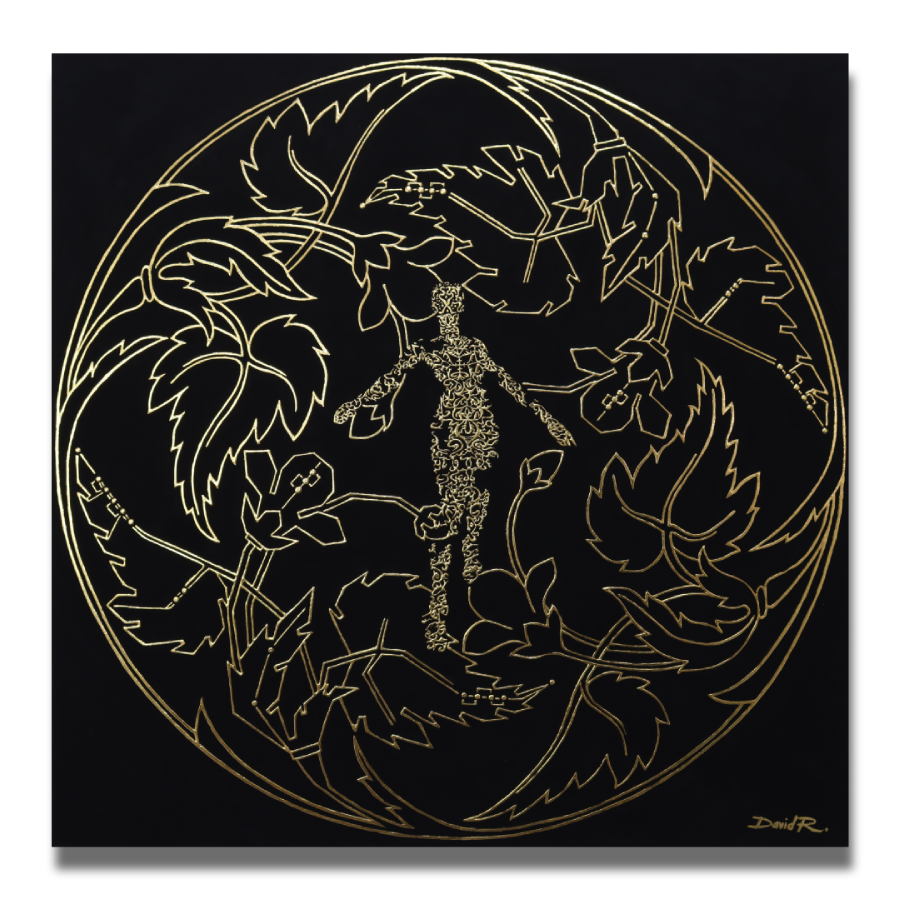
Top five famous contemporary art pieces
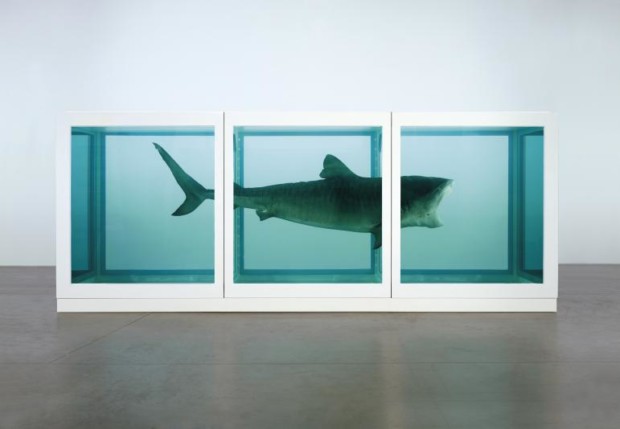
1. The shark tank
Damien Hirst’s The Physical Impossibility of Death in the Mind of Someone Living placed a preserved shark inside a gallery and became a defining image of 1990s British contemporary art.
Image: Damien Hirst, The Physical Impossibility of Death in the Mind of Someone Living, 1991. Artist’s website.

2. My Bed
Tracey Emin’s My Bed turned the artist's place of suffering into public artwork and forced people to question the boundaries between personal life, confession, and art.
Image: Tracey Emin, My Bed, 1998. Wikipedia.

3. Infinity Mirror Rooms
Yayoi Kusama’s immersive mirror rooms made repetition, reflection and self-obliteration into one of contemporary art’s most recognisable experiences.
Image: Yayoi Kusama, Infinity Mirrored Room - Filled with the Brilliance of Life 2011/2017 Tate Presented by the artist, Ota Fine Arts and Victoria Miro 2015, accessioned 2019 © YAYOI KUSAMA
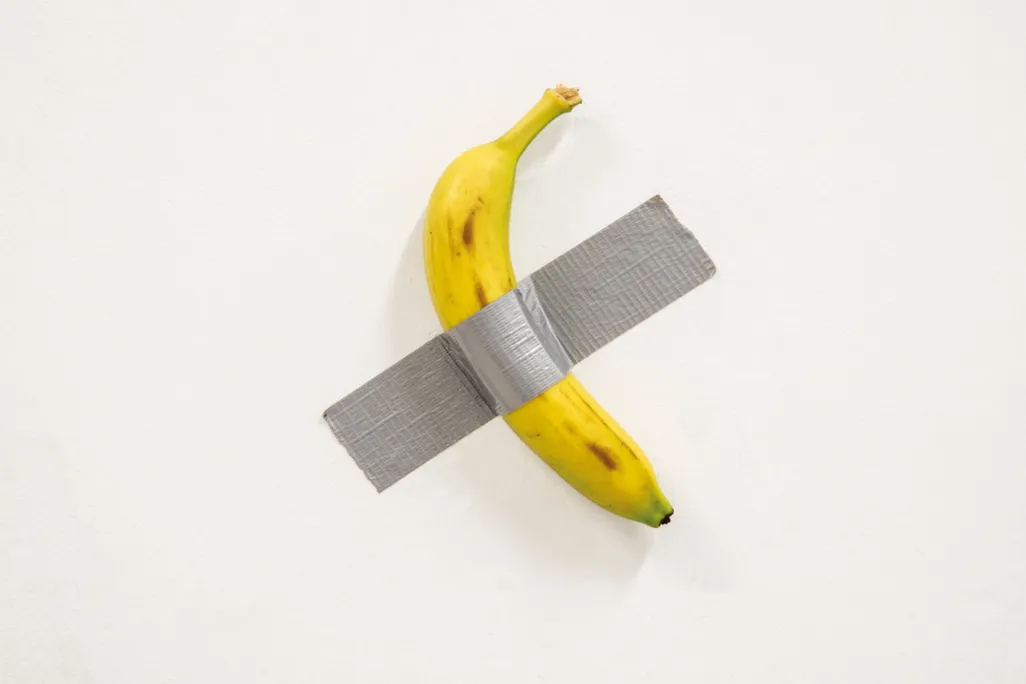
4. The taped banana
Maurizio Cattelan’s Comedian became a viral symbol of the critique of value and absurdity in the contemporary art world.
Image: Maurizio Cattelan, Comedian, 2019 Zeno Zotti / Maurizio Cattelan’s Archive / Perrotin

5. Girl with Balloon
Banksy’s Girl with Balloon is one of his most iconic works, widely recognized as a symbol of hope, innocence, and loss, and became globally famous after its dramatic partial shredding at auction.
Image: Banksy, Girl With Balloon, 2018. Wikipedia
Why famous contemporary art pieces matter
Fame in contemporary art has changed.
Before social media, artworks became famous differently. Galleries, curators, collectors, critics, journalists, newspapers, television and auction houses shaped public attention. A work became famous because the art world selected it, the media amplified it and the public reacted to it.
This system rewarded shock. Tracey Emin’s My Bed and Damien Hirst’s shark became famous partly because they gave newspapers a simple question to repeat: “Is this really art?” Jeff Koons used celebrity, sex and luxury to test the boundary between art and spectacle. Takashi Murakami used Superflat to collapse distinctions between Japanese tradition, manga, consumer culture and fine art.
That earlier fame was manufactured through institutions and media. It still needed strong concepts, timing and personality, but it moved through a coordinated industry network.
Today, fame works differently. Social media has fragmented attention and created algorhithms that keeps everyone in their own digital bubble. An artwork can be famous inside one feed and invisible in another.
This changes what fame means for artworks. Virality rewards enterntainment, outrage, humour, and 3-second simplicity. Maurizio Cattelan’s taped banana crossed into mainstream attention because it triggered a wider public outrage about value, artistic skill, and what counts as art.

"An original work carries the time and attention of the artist who made it. Both of those are our most valuable resources.
In this fast-moving world, choosing to live with something crafted slowly, with care... that is an act of resistance."
Three mistakes to avoid when looking at famous contemporary art pieces
01
Confusing virality with value
An artwork going viral proves it attracted attention, not that it has lasting artistic importance.
02
Mistaking price for meaning
A high auction price reflects market forces, scarcity, status and demand, not the depth of meaning within the artwork.
03
Ignoring the artists' practice
A famous artwork makes more sense when you understand the artist’s wider body of work.
Questions about famous contemporary artworks
A contemporary art piece becomes famous through a mix of timing, originality, public reaction, institutional support, media attention, market visibility and cultural relevance. Before social media, galleries, critics and newspapers drove that attention. Today, algorithms, controversy and virality shape fame in a less predictable way.
Contemporary art looks expensive when people only see blue-chip artists and auction headlines. The wider market includes galleries, local spaces, independent studios, that sell originals and limited editions at very different prices. The value comes from the artist’s ideas, body of work, materials, cultural relevance and market position.
Shock value is not enough. It can create attention, especially in media and social platforms, but strong contemporary art needs more behind it. The work must connect to a serious practice, a clear concept and a wider cultural question, otherwise the shock fades quickly.
Famous artworks do not automatically hold value. Fame, virality and artistic value are separate things. A work is more likely to matter over time when it belongs to a coherent practice, has cultural relevance, has strong provenance and continues to mean something after public attention moves on.
Contemporary art matters because it reflects the world being lived now. Artists give form to current pressures, beliefs, technologies, identities, conflicts and emotions. The strongest works become cultural records of their time and help people understand the world around them differently.
Explore more contemporary art
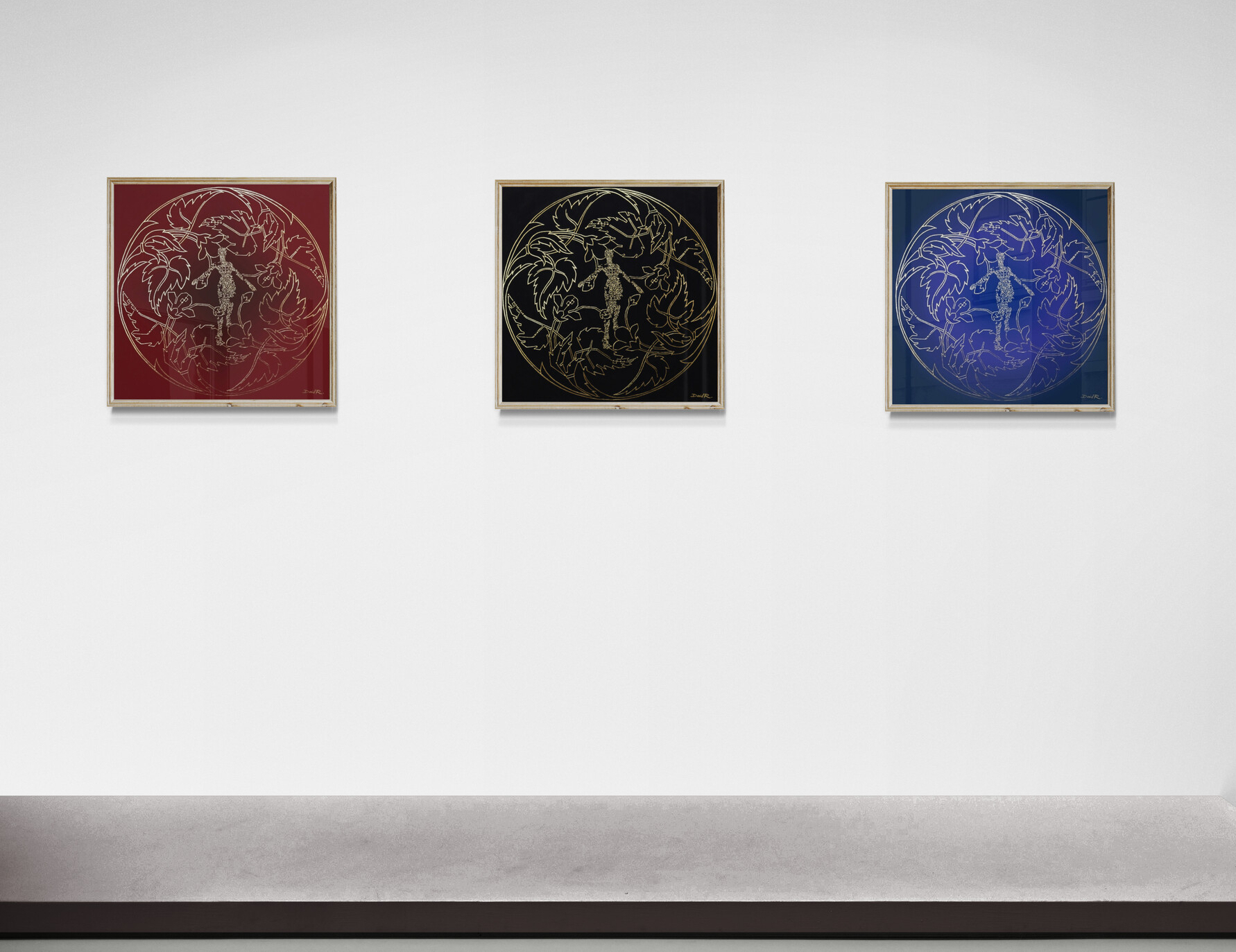
From smaller format pieces to large-scale paintings, the artwork in the collection is made to reflect the contemporary times. Each piece is signed, documented, and available for collectors world-wide.
WELCOME
Please join the mailing list for the latest updates & email-only collecting opportunities.
Thank you!
