
Contemporary British artists: A more independent art world
For a long time, success in the British art world appeared to follow this path: study at the right institutions, move to London, secure gallery representation, and build a career within the established system.
Today, the landscape looks very different. Contemporary British artists are building audiences from every corner of the country, connecting directly with collectors, and developing practices on their own terms. The result is a more diverse, independent, and interesting art scene than ever before.

Five things to know about contemporary British artists

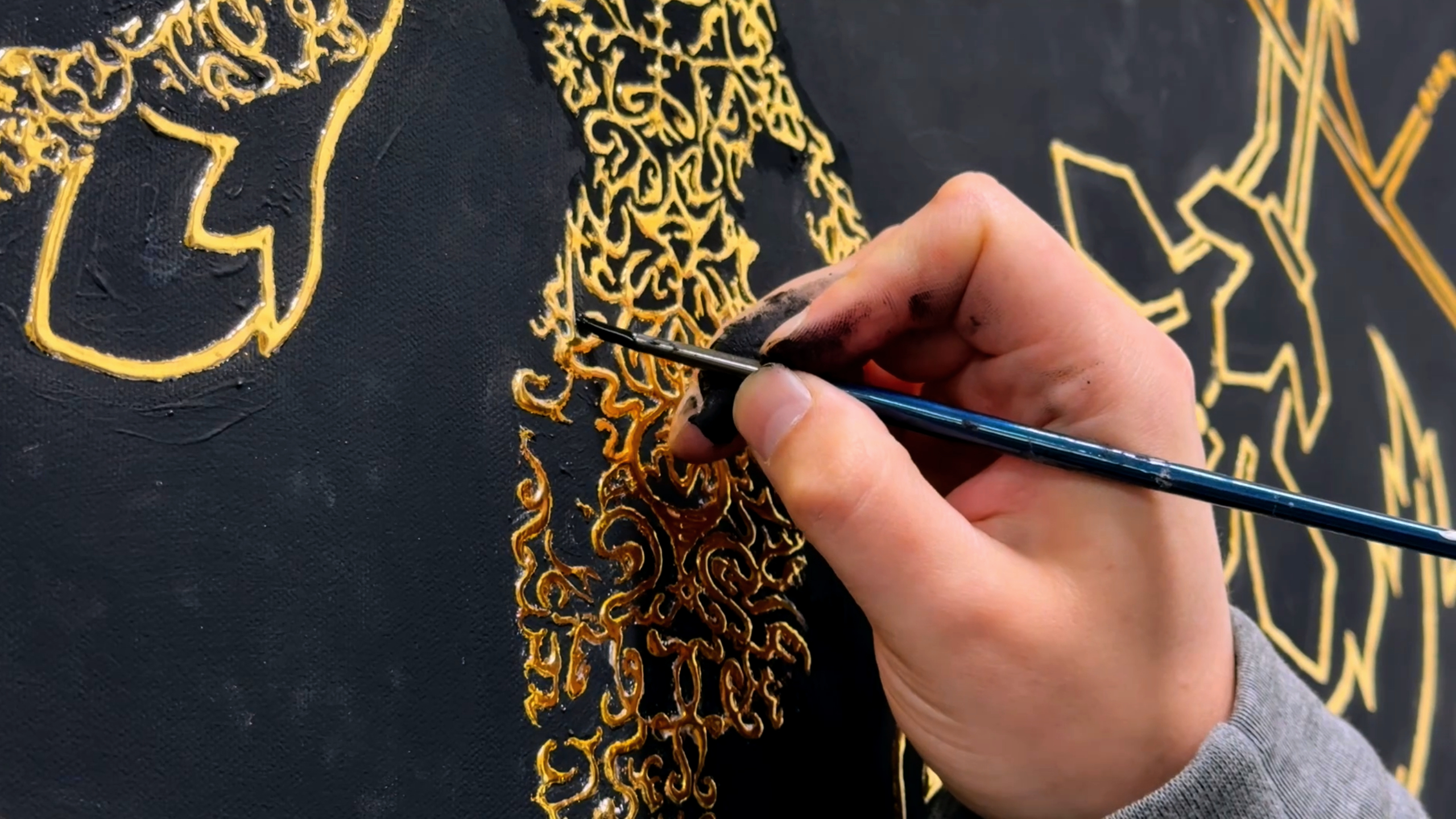
1. Beyond London
Some of the most interesting artists working today are based far from the traditional art capitals.
2. Direct connections
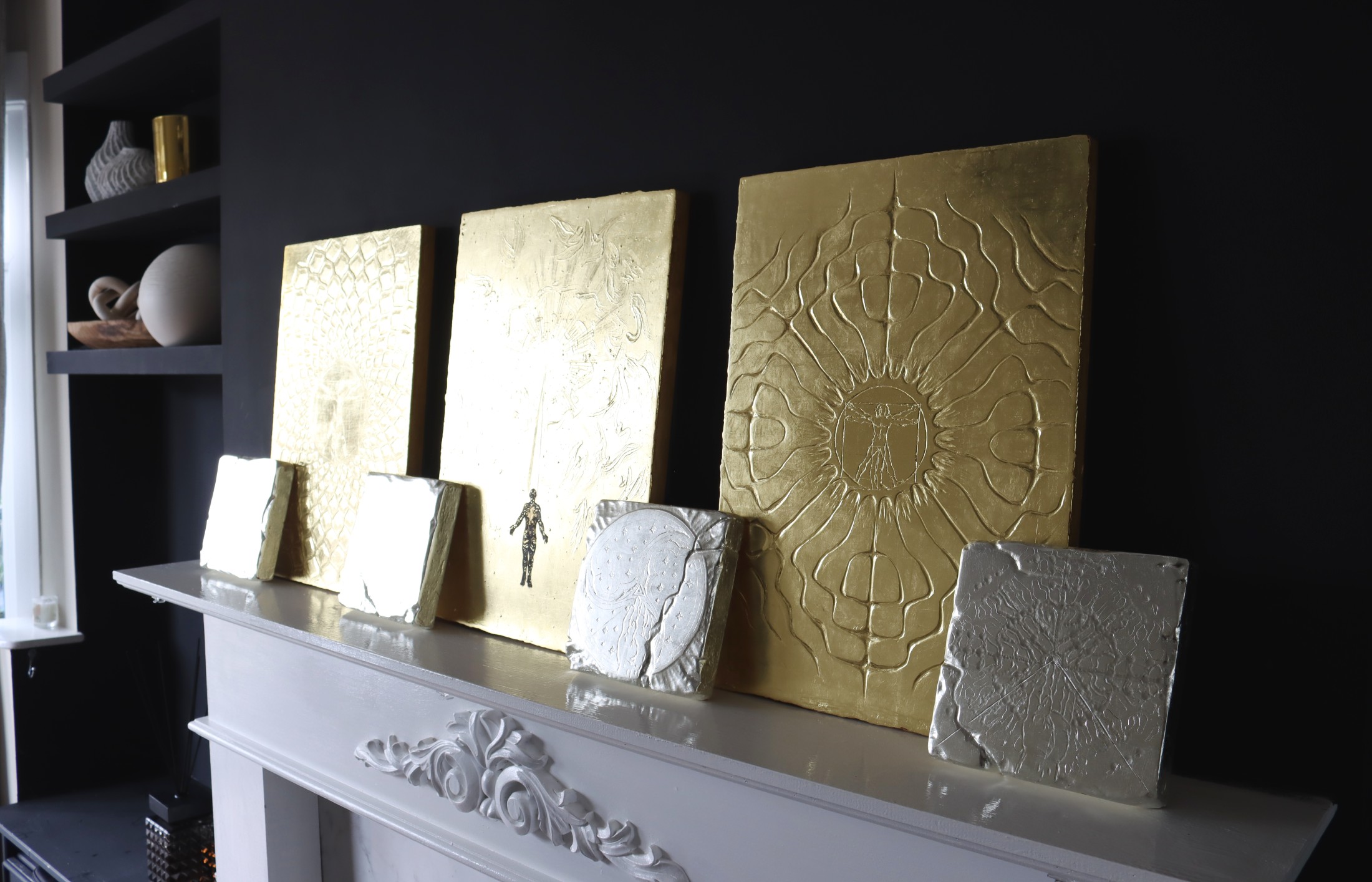
Artists can now build relationships with collectors without relying entirely on galleries.
3. More authentic voices
Independent careers often give artists greater freedom to pursue their own ideas.

4. Traditional meets contemporary
Many British artists combine historical references with modern concerns.

5. A changing landscape
Social media and online platforms have transformed how art is discovered and collected.
London vs everywhere else: how British art became more independent
For a long time, there was a fairly clear route into the British art world. The major galleries, institutions, collectors, and opportunities were concentrated in a handful of places, particularly London. For many artists, building a serious career often felt tied to being physically close to those centres.
That picture has changed dramatically.
One of the most interesting things happening in British art today has very little to do with style, medium, or subject matter. It is the growing independence of artists themselves. Social media, online platforms, artist websites, newsletters, and direct relationships with collectors have made it possible to build a meaningful practice from almost anywhere.
The result is a more decentralised art scene than Britain has ever had.
Artists are creating work from Birmingham, Glasgow, Bristol, Manchester, Cornwall, and countless other places that would once have been considered outside the mainstream conversation. Rather than feeling pressure to move towards a single centre, many are building careers rooted in their own communities, experiences, and ways of seeing the world.
That shift has changed the work itself.
When artists are less dependent on fitting into a particular scene, there is often more freedom to follow genuine interests and obsessions. Instead of producing work that feels shaped by expectations, more artists are developing practices that feel personal, distinctive, and difficult to place into neat categories.
Perhaps that is what makes contemporary British art so interesting right now. There isn't a single movement or dominant style defining the landscape. What connects much of the work is a growing confidence in individual voices and perspectives. The most compelling artists are not trying to fit into a broader trend. They are building bodies of work around questions they genuinely care about and finding audiences who care about those questions too.
"An original work carries the time and attention of the artist who made it. Both of those are our most valuable resources.
In this fast-moving world, choosing to live with something crafted slowly, with care... that is an act of resistance."
Three mistakes to avoid when exploring British artists
01
Assuming all important artists are in London
The UK's most interesting work is increasingly spread across regional cities and independent studios.
02
Following visibility instead of quality
The most talked-about artists are not always creating the most meaningful work.
03
Treating British art as a single style
British contemporary art is defined more by its questions and perspectives than by a shared aesthetic.
Questions about British art
There isn't one thing that defines British contemporary art, which is probably one of its strengths. If you zoom out, it often feels grounded, self-aware, and willing to experiment without becoming inaccessible.
The biggest names are often the most visible, but influence doesn't always follow publicity. Many independent artists are shaping contemporary British art through the communities they build and the conversations their work creates.
British artists have a long tradition of combining strong ideas with strong expression. The work often balances conceptual thinking with craftsmanship, which helps it connect with audiences around the world.
Not necessarily. London remains an important centre for the art world, but some of the most interesting artists working today are based in Birmingham, Glasgow, Bristol, Manchester, and other regional cities.
Many artists now combine exhibitions with direct sales, social media, newsletters, studio events, and online platforms. This creates more independent ways of reaching collectors and building sustainable creative careers.
Explore more British art
From smaller format pieces to large-scale paintings, the artwork in the collection is made to reflect the contemporary times. Each piece is signed, documented, and available for collectors world-wide.
WELCOME
Please join the mailing list for the latest updates & email-only collecting opportunities.
Thank you!
