
What is contemporary art? An artist’s perspective
Contemporary art is art made in in our current time by living artists.
What makes contemporary art different from all other art being made today, is its relationship to the world now. It gives form to the pressures, questions, identities, and cultural shifts artists are living through.
This page explains what contemporary art means, what defines it, and why it looks so different from one artist to another.
Five things to know about contemporary art

1. Made now
Contemporary art belongs to the present time and is usually made by living artists.
2. Current concerns
Its subject matter is shaped by the world artists are experiencing now.
3. No fixed style
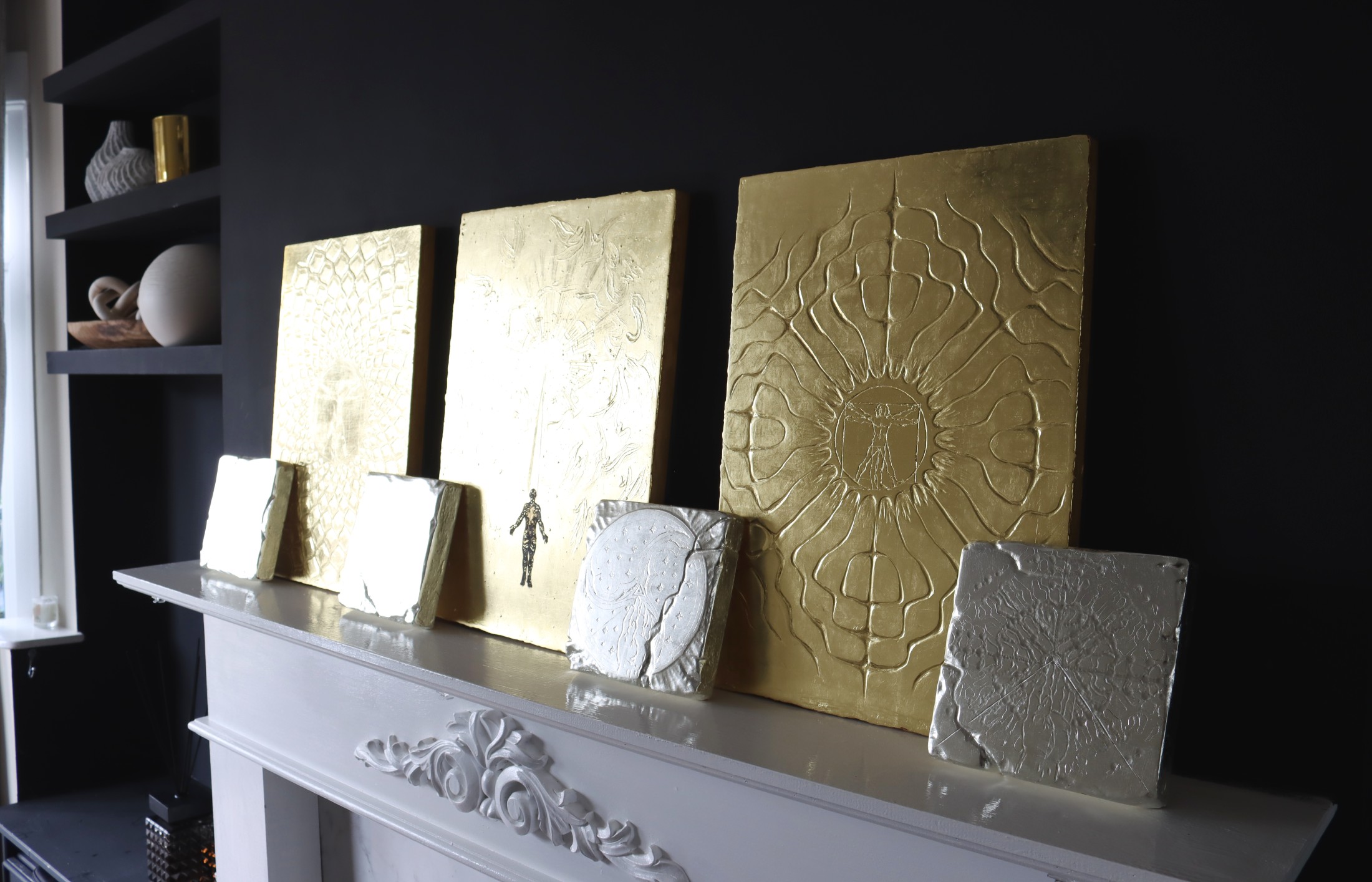
Contemporary art is united by questions and concerns, not one visual movement.

4. Global voices
Artists across the world respond to shared pressures through different cultures, histories and materials.

5. Emotional connection matters
Before you understand an artwork intellectually, you will know whether it resonates emotionally.
What contemporary art means today
Contemporary art is usually understood as art made from the second half of the twentieth century to the present day, especially after the Second World War.
But it's not just art made recently, it is art that responds to the concerns of the current times. Artists use it to process identity, technology impact, migration, power, belief, gender, ecology, economics, social media, artificial intelligence or the speed of modern life.
This is why contemporary art has no single visual style. Earlier art movements were easier to recognise because they developed within clearer geographical, cultural and historical boundaries. Impressionism, Cubism, Surrealism and Abstract Expressionism each had distinct visual languages, even with variation inside them.
Contemporary art is different. The internet, globalisation and social media have created a much wider network of creative voices. Artists in different parts of the world can respond to the same themes from completely different perspectives. The connection is not always aesthetic. It is thematic.
A contemporary artwork might be beautiful, but could also be confronting, quiet, aggressive, symbolic, political, intimate or strange. Its purpose is not always to please. Its role is to give form to something being felt, questioned or resisted in the present.
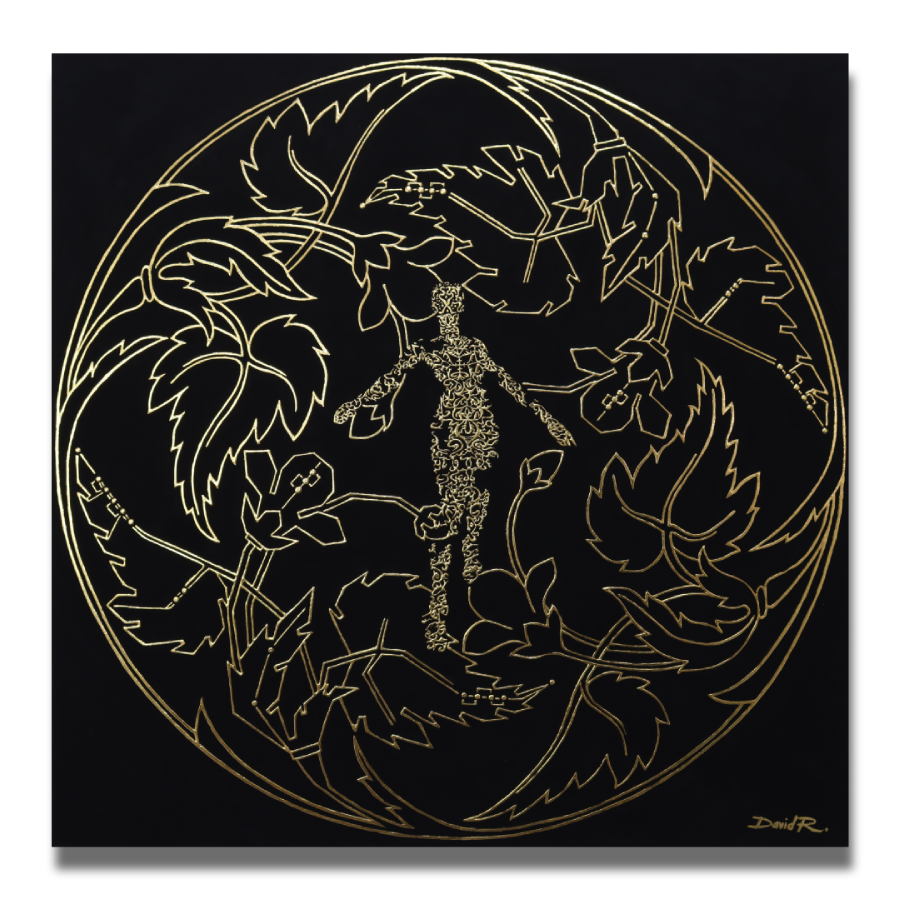
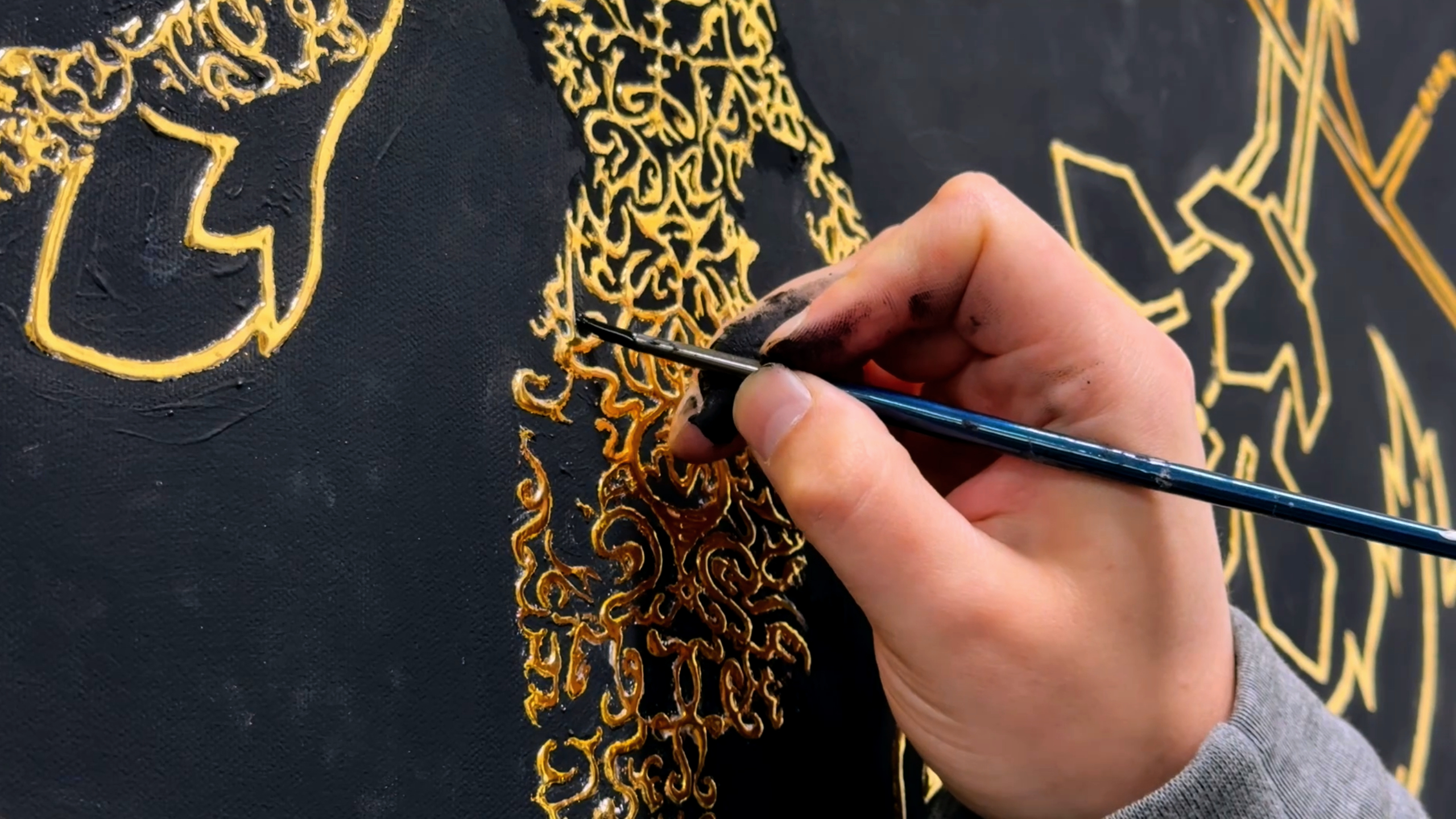
In David Roman’s practice, contemporary art becomes a way to examine human value in a world shaped by productivity, optimisation and data. His work uses symbolic figures, gold leaf and crafted surfaces to ask what remains meaningful when human life is reduced to what it produces.
"An original work carries the time and attention of the artist who made it. Both of those are our most valuable resources.
In this fast-moving world, choosing to live with something crafted slowly, with care... that is an act of resistance."
Three mistakes to avoid when exploring contemporary art
01
Only using dates
The date matters, but contemporary art is defined by its relationship to the present, not just when it was made.
02
Expecting one style
Contemporary art has no single look because artists respond to different cultures, pressures, histories and lived experiences.
03
Needing instant clarity
Some artworks speak through feeling before they make sense intellectually, and that response matters.
Questions about contemporary art
Most definitions place the beginning of contemporary art after the Second World War, though the exact date shifts depending on the institution, historian or context.
Contemporary art is defined by its relationship to present-day life. It responds to current culture, identity, technology, politics, belief and social change.
The themes in contemporary art vary widely, but its purpose is to give form to something being lived, questioned or felt in the current times.
Some contemporary paintings are focused on challenging ideas rather than being beautiful or easily understood. They ask viewers to look beyond aesthetic appeal.
Not immediately. A strong response can begin physically or emotionally before it becomes intellectual. Feeling drawn in, unsettled or curious is a sign that you resonate with a piece.
Explore more contemporary art
From smaller format pieces to large-scale paintings, the artwork in the collection is made to reflect the contemporary times. Each piece is signed, documented, and available for collectors world-wide.
WELCOME
Please join the mailing list for the latest updates & email-only collecting opportunities.
Thank you!
