Contemporary Art Insight
What makes a contemporary art piece famous?
Some artworks become famous because they introduce an image people cannot forget.
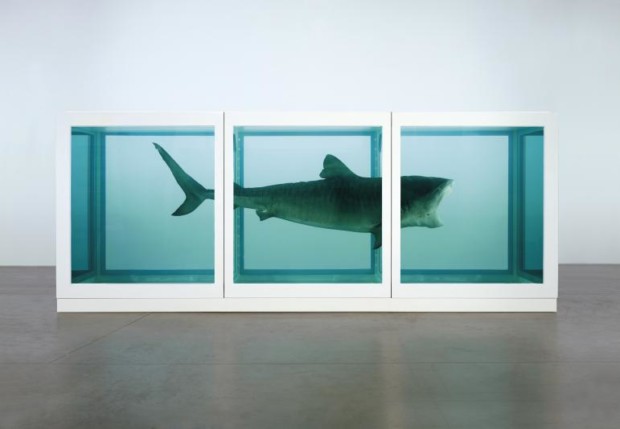
Damien Hirst’s The Physical Impossibility of Death in the Mind of Someone Living placed a preserved shark inside a vitrine and turned death, spectacle and the art market into one unforgettable object. Tracey Emin’s My Bed became famous because it moved private collapse into a public gallery space and forced people to argue over whether confession could become art.
Other works become famous because they create a unique viewing experience.
Yayoi Kusama’s Infinity Mirror Rooms transformed repetition, reflection and immersion into a physical encounter. People do not only look at the work. They step into it, photograph it, share it and become part of the image.

Art fame before social media
Before social media, fame in contemporary art moved through galleries, collectors, critics, journalists, television, newspapers, museums and auction houses.
The art world created the context, the media created the public argument, and the audience reacted. Shock played a major role because newspapers and television loved the question: “Is this really art?”
That system shaped the public image of artists such as Hirst, Emin, Jeff Koons and the Young British Artists. Controversy gave the media a simple story. The more the public objected, the more famous the work became.
Fame in the age of algorithms
Today, fame works differently. Social media has broken the idea of one shared mainstream. An artwork can dominate one algorithm and remain invisible in another. Attention is more fragmented, faster and more reactive.
Maurizio Cattelan’s Comedian, the banana taped to a wall, became famous because it triggered the exact outrage contemporary art has provoked for decades: “Anyone could have done that.”
Beeple’s Everydays: The First 5000 Days became famous because it arrived at the height of NFT speculation and turned digital art into a mainstream auction event.
How to estimate the value of viral artworks
This is why fame and artistic value need separating. Virality proves that an artwork generated attention. It does not prove depth, originality or lasting importance.
A contemporary artwork becomes more meaningful when the attention connects to a coherent body of work, a clear cultural question and a practice that continues beyond the moment of noise.
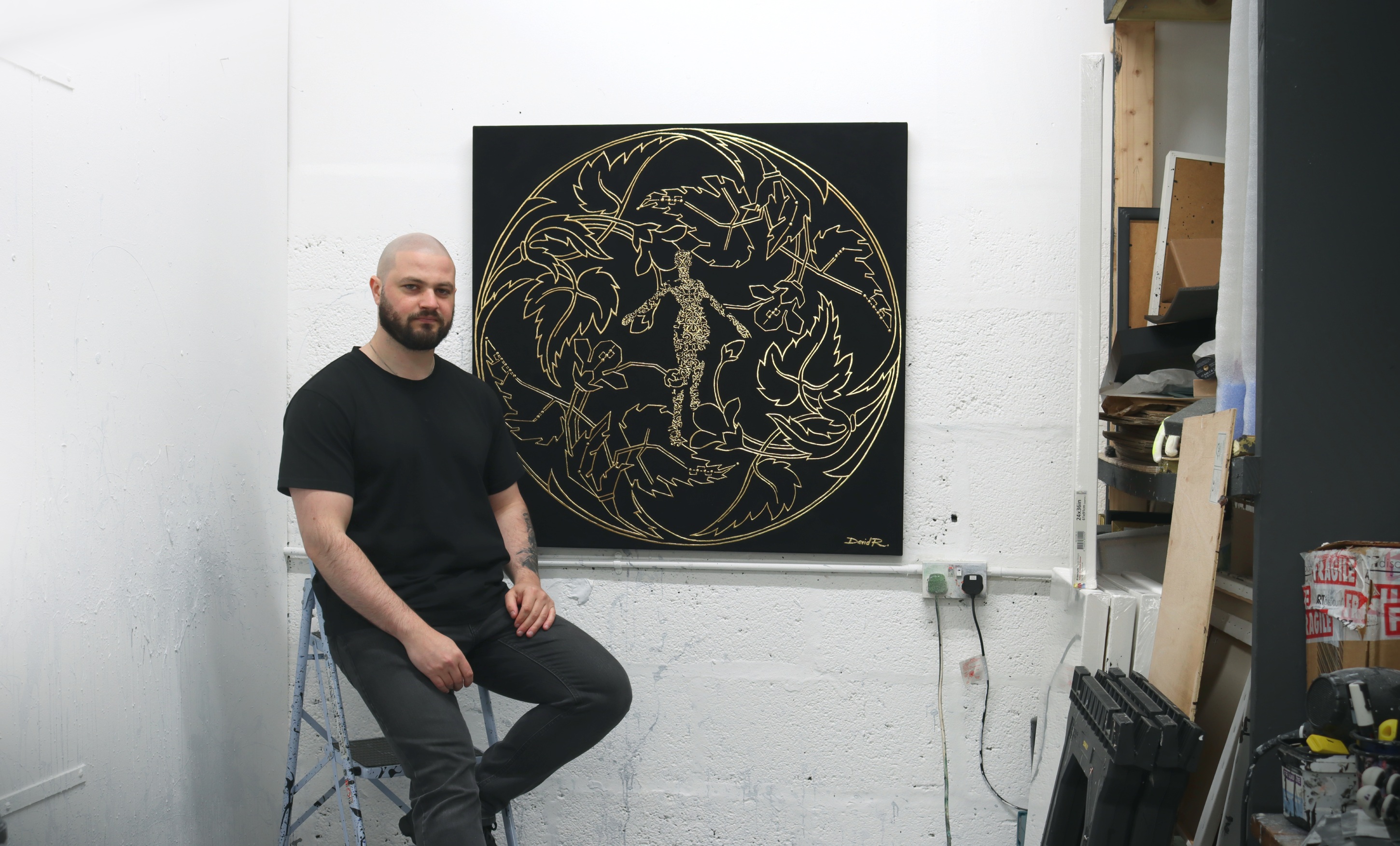
In David Roman’s practice, the aim is not virality or spectacle. His contemporary artworks use symbolic figures, genuine gold leaf and hand-crafted surfaces to explore human value in a culture shaped by productivity and data. His paintings reconnect us with older stories of identity, transformation and our place within the larger universe.
Explore more contemporary art
From smaller format pieces to large-scale paintings, the artwork in the collection is made to reflect the contemporary times. Each piece is signed, documented, and available for collectors in UK and world-wide.

Discover your art buying archetype
Take a 3 minute quiz and find out what kind of art collector you are.