
Find unique artwork
Finding unique artwork is about more than discovering something visually different. Truly unique art reflects an individual vision and a meaningful creative process that sets an artist apart.
Whether you are building a collection, searching for a statement piece, or simply exploring original art for the first time, understanding what makes artwork unique can help you make more confident and rewarding decisions. This guide explores how to identify, evaluate, and collect artwork that stands apart from the ordinary.

Five tips to collect unique art

1. Look beyond popular trends
Artwork that feels unique often sits outside mainstream trends. Rather than focusing on what is currently fashionable, look for artists exploring ideas, materials, or perspectives that feel personal and distinctive.
2. Explore independent artists
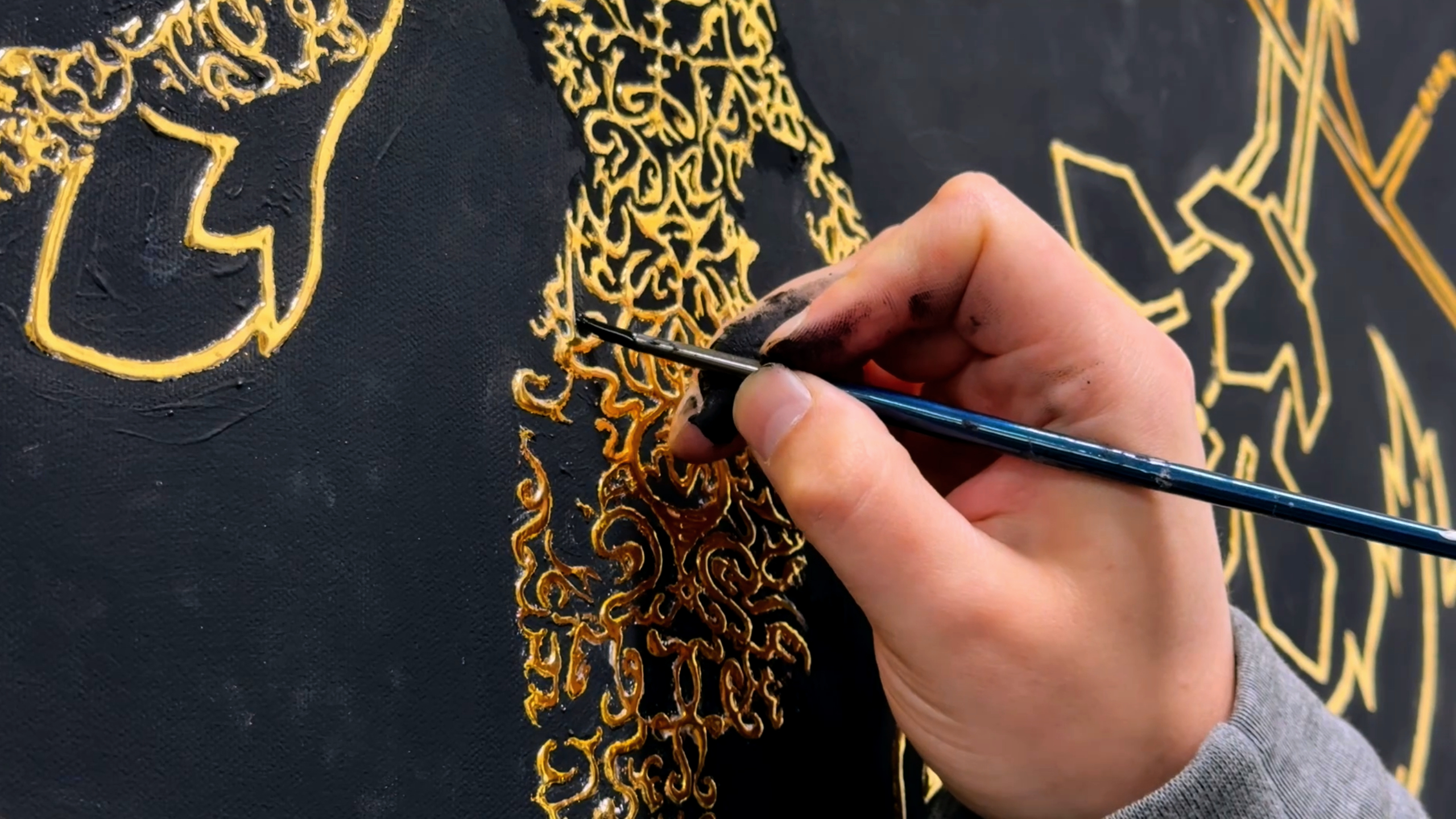
Many of the most original voices are found outside traditional gallery systems. Independent artists have greater freedom to experiment and develop a unique visual language without commercial pressures that favour repetition.
3. Pay attention to materials and process
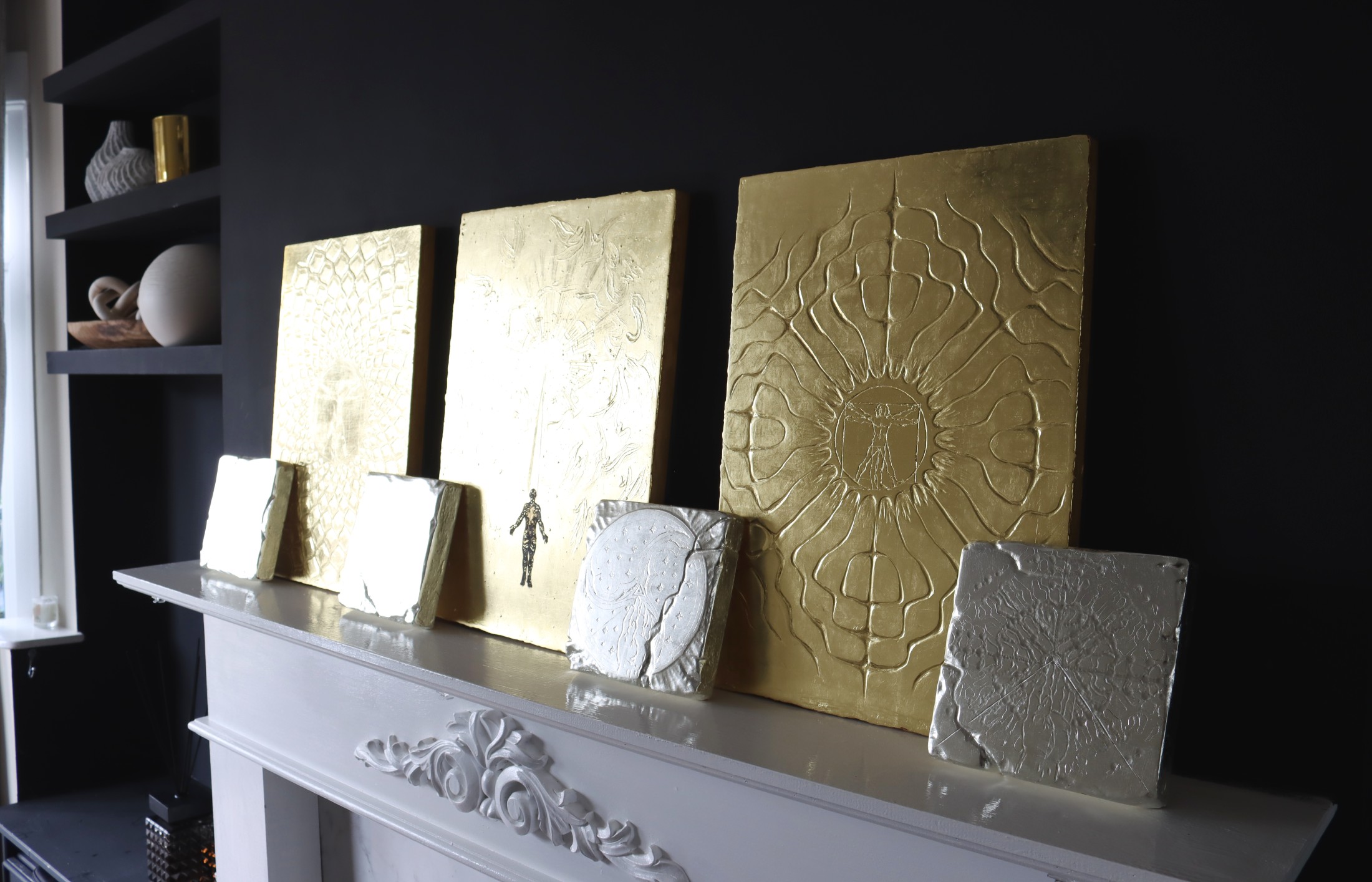
Unique artwork is often distinguished by how it is made. Unusual material combinations, specialised techniques, or labour-intensive processes can reveal a depth that goes beyond the finished image.

4. Follow the artist's story
A strong artistic practice usually develops around a consistent set of questions, themes, or niche interests. Understanding an artist's journey often helps reveal what makes their work truly different.

5. Trust your instincts
The most unique artworks are often the ones that stay with you. If a piece continues to provoke curiosity, reflection, or emotion long after you've first seen it, there is usually something deeper worth exploring.
What makes unique artwork worth collecting?
In a world where images are endlessly copied, shared, and consumed, genuinely unique artwork has become rare. It offers something that cannot be easily replicated: an individual way of seeing the world, that comes from deep introspection and etensive experimentation.
Many artworks may appear visually distinctive at first glance, but true uniqueness usually emerges from a combination of materials, ideas, and artistic intent. It comes from a sustained practice rather than a single aesthetic choice. The most memorable artists develop a visual language that reflects their own experiences, questions, and perspective on the world.
In David Roman's art, uniqueness is rooted in both concept and process. The work combines ancient gilding traditions with contemporary concerns about identity, technology, and human value. Genuine 24ct and 22ct gold leaf, traditional water gilding methods used for religious icons, hand-prepared gesso, hand engraved and embossed surfaces create physical qualities that cannot be reproduced through digital means.
These materials are not used simply for decoration. Gold becomes a symbol of innate human worth, while references to sacred geometry and historical craft traditions create a dialogue between past and present. The work asks what it means to remain fully human during a period when attention and identity are increasingly treated as resources to be extracted and monetised.
For collectors, finding unique artwork is ultimately about finding work that carries a distinct voice. It is an opportunity to live with ideas, materials, and perspectives that offer something deeper than familiarity.

"An original work carries the time and attention of the artist who made it. Both of those are our most valuable resources.
In this fast-moving world, choosing to live with something crafted slowly, with care... that is an act of resistance."
Three mistakes to avoid when looking for unique art
01
Unusual doesn't mean good
Not all unusual art is meaningful. The most compelling work combines originality with substance, rather than relying solely on novelty or shock value.
02
Ignoring the artist's practice
A single artwork may seem unique, but its significance often becomes clearer when viewed within the context of the artist's wider body of work and long-term vision.
03
Following other people's taste
Collecting unique artwork is most rewarding when guided by your genuine personal connection. Buying solely because something is fashionable or popular often leads to less meaningful acquisitions. The most satisfying collector feeling is when you find a piece that expresses something deeply personal for you.
Questions about buying unique art
Truly unique artwork goes beyond appearance. It reflects a distinctive artistic vision, meaningful ideas, and a process that cannot easily be replicated. The most unique artworks combine originality, craftsmanship, and a personal perspective that feels recognisably their own.
Look beyond major galleries and focus on independent artists, studio websites, artist-led exhibitions, and smaller online platforms. Artists with a clear vision, consistent body of work, and long-term commitment to their practice often stand out before wider recognition arrives.
New and unusual art styles are often found through independent artists, specialist art publications, artist-run projects, and online platforms that showcase original work. Exploring beyond mainstream trends can lead to more distinctive discoveries.
Not necessarily. While originality can increase interest and desirability, value is also shaped by quality, meaning, craftsmanship, rarity, and demand. The most valuable works often combine uniqueness with depth and lasting relevance.
Developing your taste takes time, exposure and being honest with your preferences. By viewing a wide range of artwork and paying attention to what consistently captures your attention, you gradually build confidence in recognising the styles, ideas, and artists that resonate most strongly with you.
Explore more original art
From smaller format pieces to large-scale paintings, the artwork in the collection is made to reflect the contemporary times. Each piece is signed, documented, and available for collectors world-wide.

WELCOME
Please join the mailing list for the latest updates & email-only collecting opportunities.
Thank you!
