
Modern art vs contemporary art: an artist’s guide to the difference
Modern art and contemporary art are easily confused because they're often used interchangibly when people talk about art in interiors. But they are not the same at all.
Modern art refers to an era of radical movements that broke away from academic tradition and responded to industrial modern life. That period is long gone, it lasted between the 1860s to the 1970s.
Contemporary art belongs to the present. It is made by artists responding to the world now: technology, identity, culture, and the human experience today. This page explains the difference from an artist’s perspective, with context for buyers choosing between both.
Five things to know about modern and contemporary art

1. Era, not style
Modern art is not one look (like modern homes). It is a period that includes several major movements.
2. Academic rebellion
Modern artists rejected traditional rules around realism, subject matter, beauty and artistic technique.
3. Movement driven
Impressionism, Fauvism, Cubism, Expressionism, Futurism, Bauhaus, Surrealism and Abstraction all shaped modern art.

4. Reflecting the Zeitgeist
Contemporary art responds to the world being experienced now, not only to formal artistic standards.

5. Context matters
For buyers, the understanding the difference affects meaning, room fit and the relationship with the work.
Why modern and contemporary art are different
Modern art is not a single visual style. It is an era of artistic revolution that began in the nineteenth century and developed through the first half of the twentieth century, roughly 1860s to the 1970s.
The defining shift was a break from academic fine art. Artists moved away from inherited rules around realism, composition, beauty, historical subjects and technical correctness. They wanted art to reflect modern life: industrial cities, speed, conflict, psychology, technology, consumer culture and new ideas about human experience.
That break produced several major movements. Realism brought ordinary workers and daily life into fine art. Impressionism captured changing light and modern leisure. Fauvism liberated colour from natural appearance. Expressionism turned emotion into form. Cubism broke objects and figures into multiple viewpoints. Futurism celebrated speed, machinery and movement. Bauhaus united art, design and architecture. Surrealism explored dreams, the unconscious and irrational imagery.
Contemporary art builds onto this era of art history but has a different proposition.
It is not defined by one movement or one visual language. Contemporary art belongs to the present and responds to the issues artists are living through now.
The difference matters because “modern” and “contemporary” describe different eras. Modern art belongs to the age of industrial modernity and rebellion to academic rules. Contemporary art belongs to the ongoing present, shaped by globalisation, social media, identity, data, climate change, technology and cultural fragmentation.
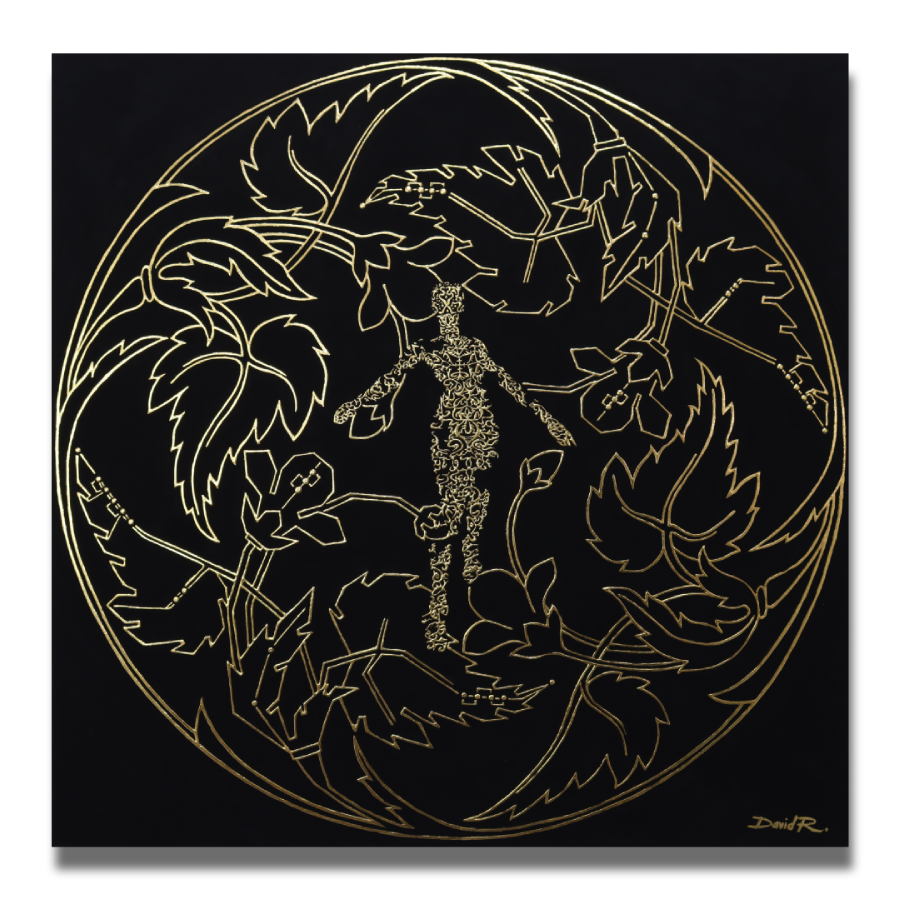
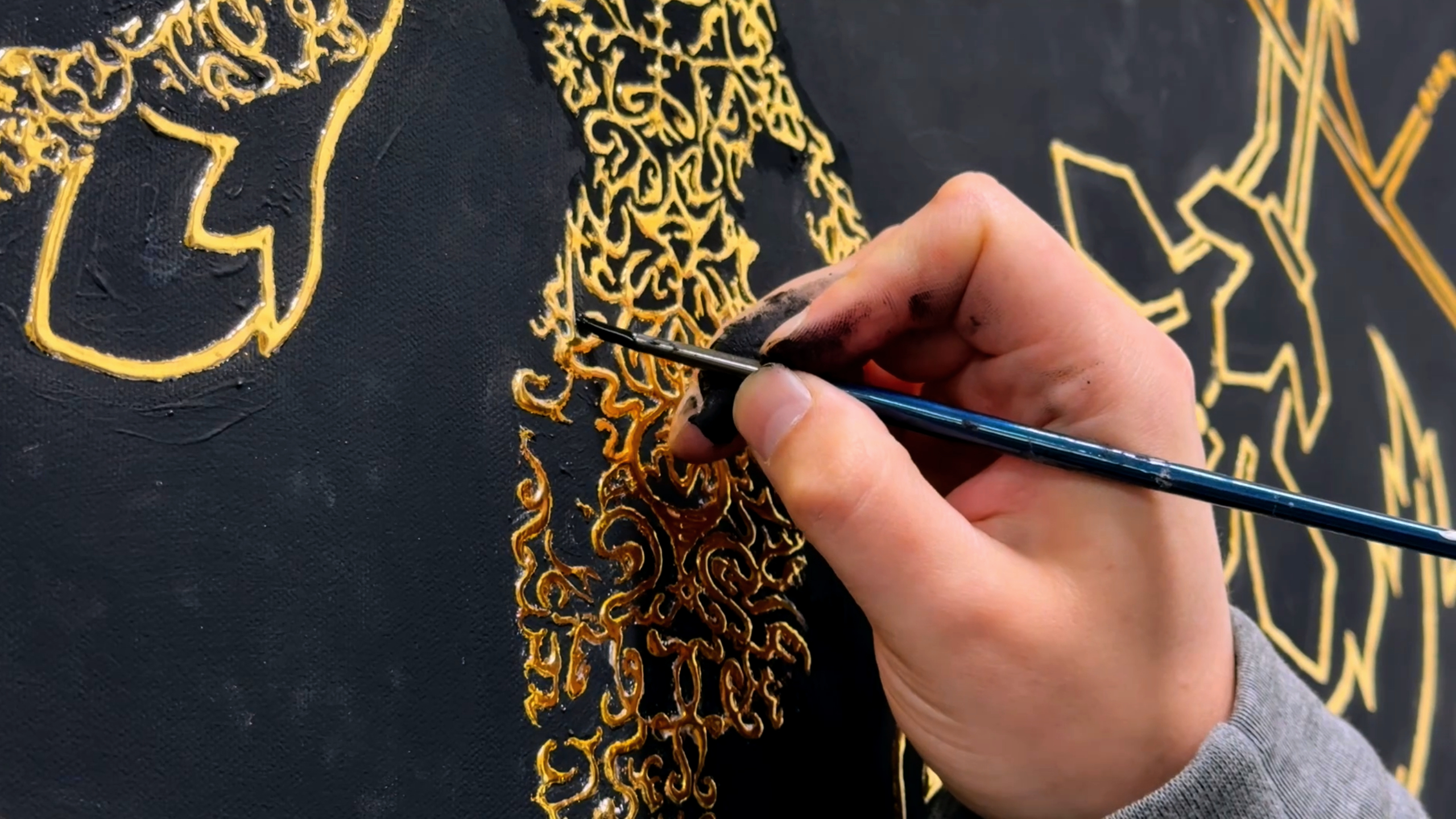
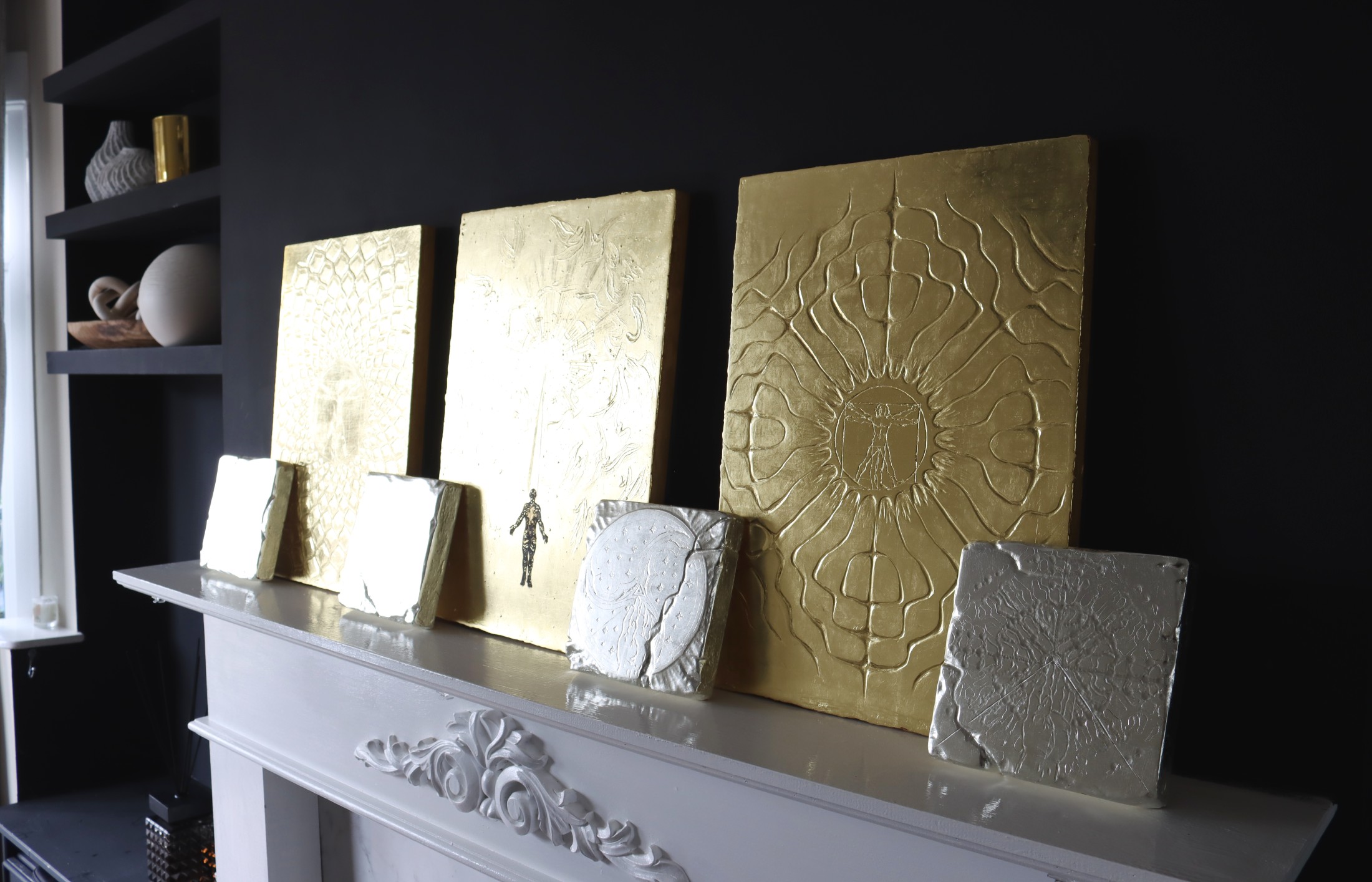
In David Roman’s practice, the contemporary aspect comes from the exploration of current global concerns about human value and our place in the world driven by AI and data.
"An original work carries the time and attention of the artist who made it. Both of those are our most valuable resources.
In this fast-moving world, choosing to live with something crafted slowly, with care... that is an act of resistance."
Three mistakes to avoid when comparing modern and contemporary art
01
Treating modern as current
Modern art sounds like art that's made now, but it refers to a historical period rather than an aesthetic for interior design.
02
Expecting one style
Modern art includes many movements, and contemporary art is even more diverse. How an artwork looks is not what categorises it as modern or contemporary.
03
Ignoring the context
The question is not only about how an artwork looks, but what world it was made in response to.
Questions about modern and contemporary art
Modern art describes the radical movements from the late nineteenth to mid-twentieth century that broke from academic art and tradition.
Modern art is generally seen as ending around the 1970s, when postmodern and contemporary approaches became more culturally dominant.
Modern art belongs to a historical era. Contemporary art belongs to the present and responds to the world artists live in now.
Value depends on the artist, work, provenance, condition, market demand and cultural relevance rather than the category alone.
Contemporary art can suit modern interiors when the scale, palette, materials and meaning create the right relationship with the space.
Explore more contemporary art
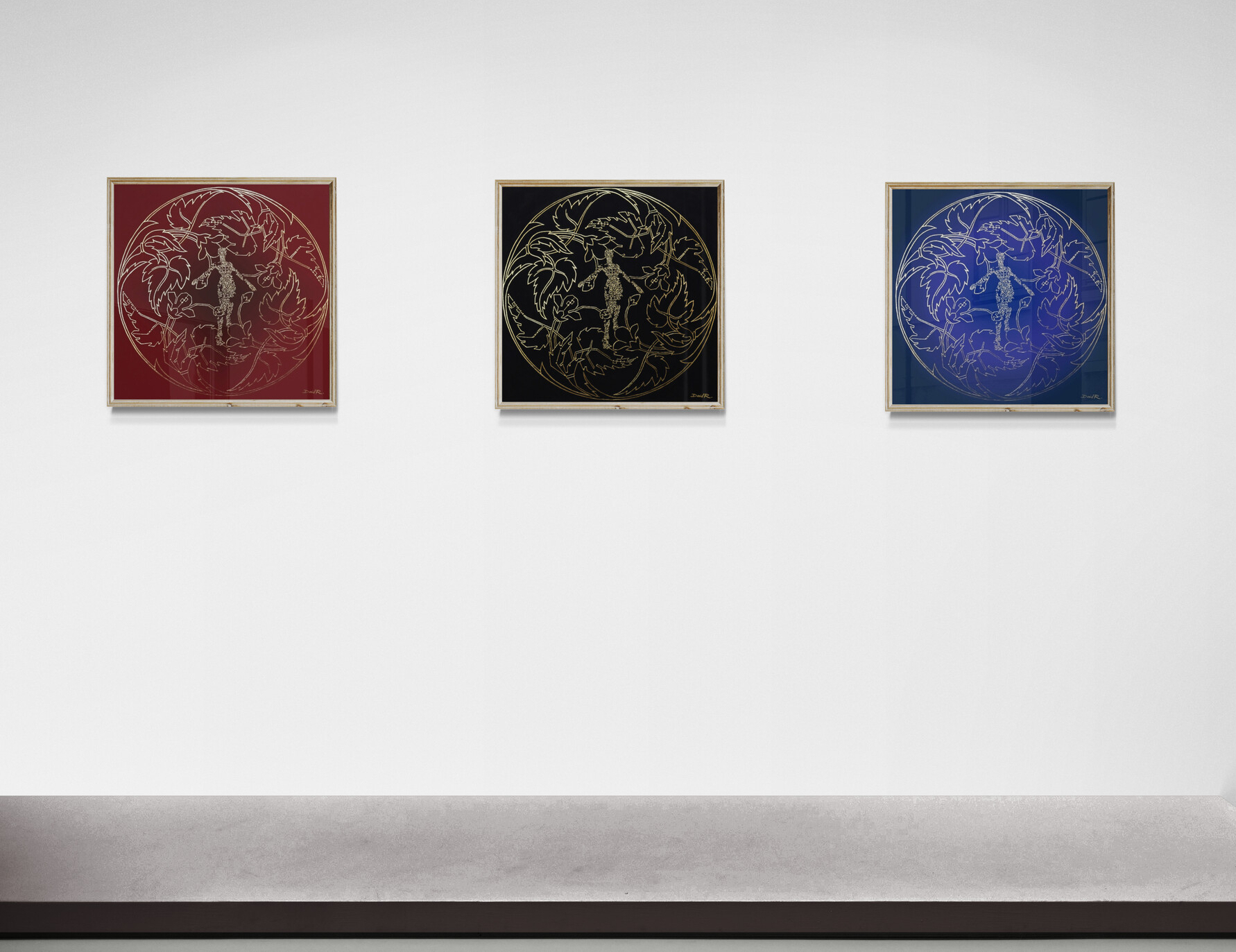
From smaller format pieces to large-scale paintings, the artwork in the collection is made to reflect the contemporary times. Each piece is signed, documented, and available for collectors world-wide.
WELCOME
Please join the mailing list for the latest updates & email-only collecting opportunities.
Thank you!
