
Gilded art: Ancient techniques in contemporary practice
Gilded art has occupied a revered place in visual culture for centuries. From Byzantine icons and medieval manuscripts to contemporary painting, artists have used gold leaf to create works that engage with light, symbolism, and material presence in ways that paint alone cannot achieve.
While the techniques of gilding are ancient, the meaning that gold represents remains relevant today.

Five things to know about gilded art

1. Gilding is more than decoration
Gold has historically been used to communicate significance, divinity, and permanence, not just for decoration.
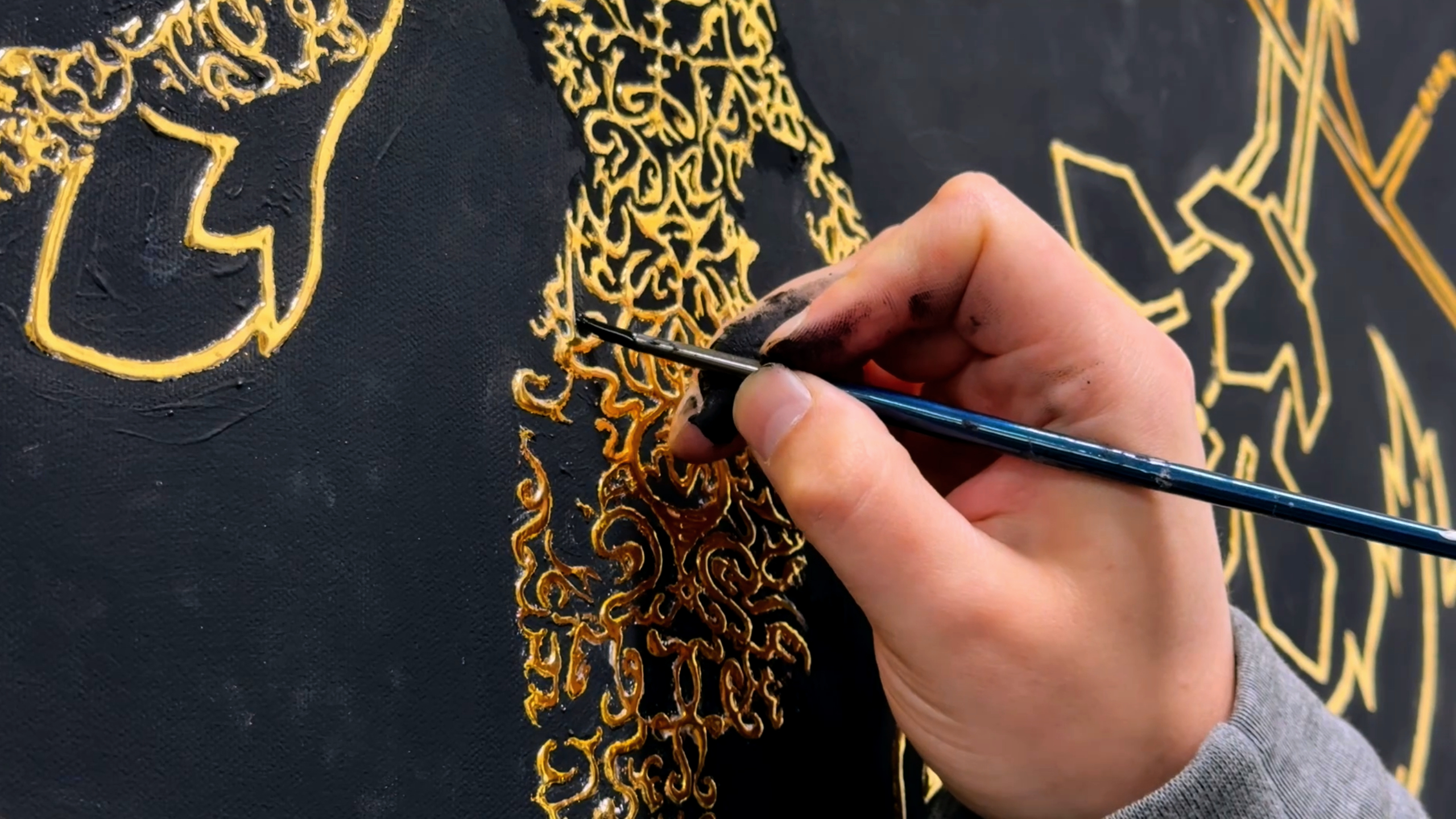
2. Light brings gold to life
Unlike paint, gold leaf reflects light directly, creating a surface that changes as the viewer and the light around it changes.
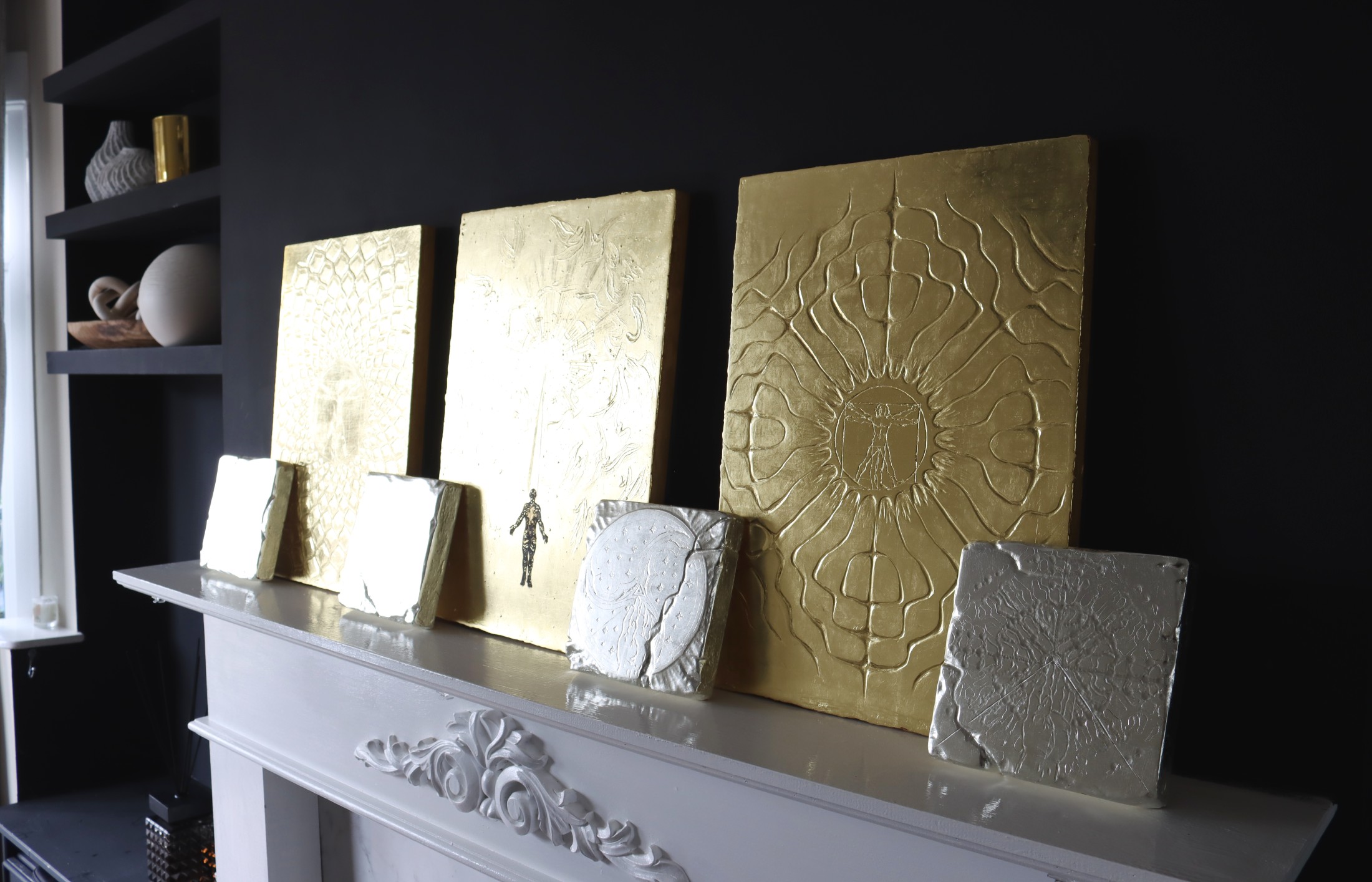
3. The tradition spans millennia
Artists have used gilding techniques across cultures for thousands of years, from religious art to contemporary painting.

4. Gold leaf and gold paint are not the same
Both create a golden appearance, but they are different materials, age differently, and produce very different visual effects.

5. Still relevant in contemporary art
Many artists continue to work with gold leaf today, adapting historical techniques to explore modern ideas and concerns.
Why gilded art continues to matter
Gilded art occupies a special place within the history of painting. Few artistic materials carry such a long and continuous lineage while remaining visually relevant in contemporary practice. Gold leaf appears in some of humanity's oldest artistic traditions, yet it continues to attract artists working in entirely modern contexts.
Part of its appeal is in its relationship with light.
A gilded painting does not behave like a regular painted surface. Gold creates a shifting visual experience that is mesmerising. This gives gilded artwork a sense of physical presence that cannot be fully reproduced through photography or digital screens.
Gold also carries centuries of cultural associations. Across different periods and societies, it has been used to signify value, permanence, reverence, and transcendence. Contemporary artists often engage with these inherited meanings while using the material to address entirely new questions.
In David Roman's art, traditional gilding methods, genuine gold leaf, engraved surfaces, and references to sacred geometry are combined with contemporary questions about technology and human value.
That history becomes particularly relevant in a culture where human worth is being reduced to productivity, data, and attention. Through the use of ancient materials and contemporary themes, the work seeks to reconnect enduring ideas of human value with the realities of modern life.

"An original work carries the time and attention of the artist who made it. Both of those are our most valuable resources.
In this fast-moving world, choosing to live with something crafted slowly, with care... that is an act of resistance."
Three mistakes to avoid when exploring gilded art
01
Assuming gilding is purely decorative
Gold's wide use in architectural and decorative work doesn't diminish its use in fine art practices, especially when the themes of the art go deeper than aesthetics.
02
Treating all gold surfaces as the same
Gold paint, imitation leaf, and genuine gold leaf may appear similar at first glance, but they differ considerably in material qualities, visual effect, and longevity.
03
Ignoring the care instructions
Gilded artworks require specific care, like stable humidity, indirect light, and very careful dusting. Doing this wrong can stain the surface or cause irreversible damage.
Questions about collecting gold artwork
Gilding is the process of applying thin sheets of gold or other metallic leaf to a surface. Artists use gilding to create reflective surfaces, highlight specific elements, or introduce symbolic meaning into a work.
Gilding has been used in painting for thousands of years. It became particularly important in Byzantine icons, medieval manuscripts, and Renaissance religious art, also made famous by Gustav Klimt and other contemporary artists.
Gilded surfaces use genuine gold leaf, while painted gold relies on pigments designed to imitate the appearance of gold.
The value of gilded artwork depends on factors such as artistic quality, originality, craftsmanship, and collector demand. While genuine gold leaf contributes material value, the significance of the artwork itself remains the primary factor.
When properly created and cared for, gilded artwork can last for centuries. Many historical examples remain in remarkable condition today, demonstrating the durability of both gold leaf and traditional gilding techniques.
Explore more gold art
From smaller format pieces to large-scale paintings, the artwork in the collection is made to reflect the contemporary times. Each piece is signed, documented, and available for collectors world-wide.

WELCOME
Please join the mailing list for the latest updates & email-only collecting opportunities.
Thank you!