Contemporary Art Insight
Do famous artworks hold value?
Famous artworks do not automatically hold value. Fame helps an artwork enter public conversation, but attention is not the same as lasting artistic or financial value.
Some famous contemporary artworks have become extremely valuable because they are tied to major artists, clear cultural moments and strong market demand.

Jeff Koons’s Rabbit became one of the most expensive works by a living artist because it belonged to a recognised body of work and had decades of market validation behind it. Jean-Michel Basquiat’s Untitled from 1982 reached a major auction price because Basquiat’s importance had already been established through museums, collectors, critics and the mythology around his short life.
What makes an artwork famous matters
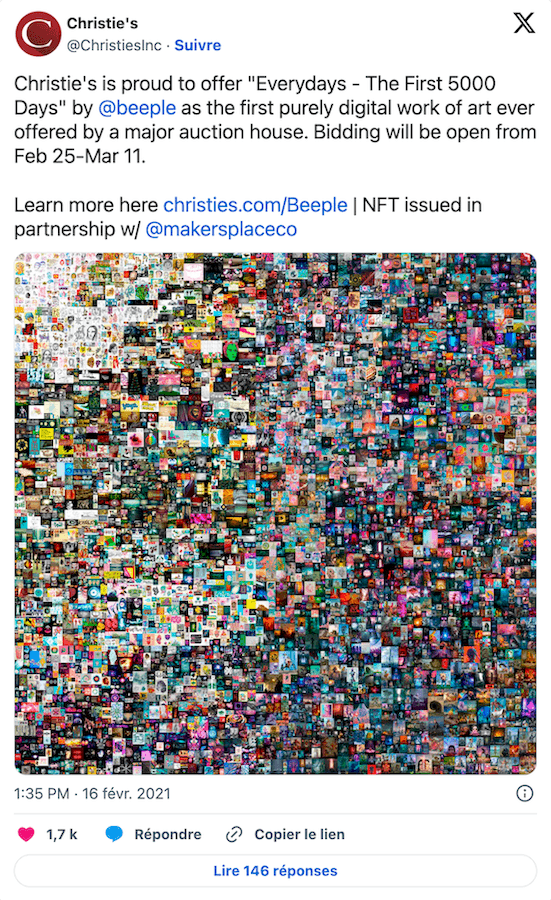
Beeple’s Everydays: The First 5000 Days became famous because it arrived at the height of the NFT boom. It marked a major moment for digital art, but it also showed how quickly a new market can be shaped by speculation, technology and timing.
Maurizio Cattelan’s Comedian, the banana taped to a wall, became famous through outrage and public disbelief. Its value is tied less to the banana itself and more to the idea, certificate, artist, market context and the argument it created around authorship, money and contemporary art.
How collectors should approach fame
This is where collectors need to be careful because virality does not equal value.
A work can become famous because it annoys people, confuses them, entertains them or gives the internet something easy to mock. That kind of fame burns quickly unless the artwork connects to something deeper.
A famous artwork is more likely to matter over time when it belongs to a coherent practice. The artist needs a clear body of work, serious development, cultural relevance, strong documentation, provenance and a reason for the piece to remain meaningful after the public reaction fades.
The same applies at a more accessible level. A work does not need global fame to have value. An artwork bought directly from an artist can carry personal, cultural and material value because it reflects a serious practice and creates a real connection between collector, artist and object.
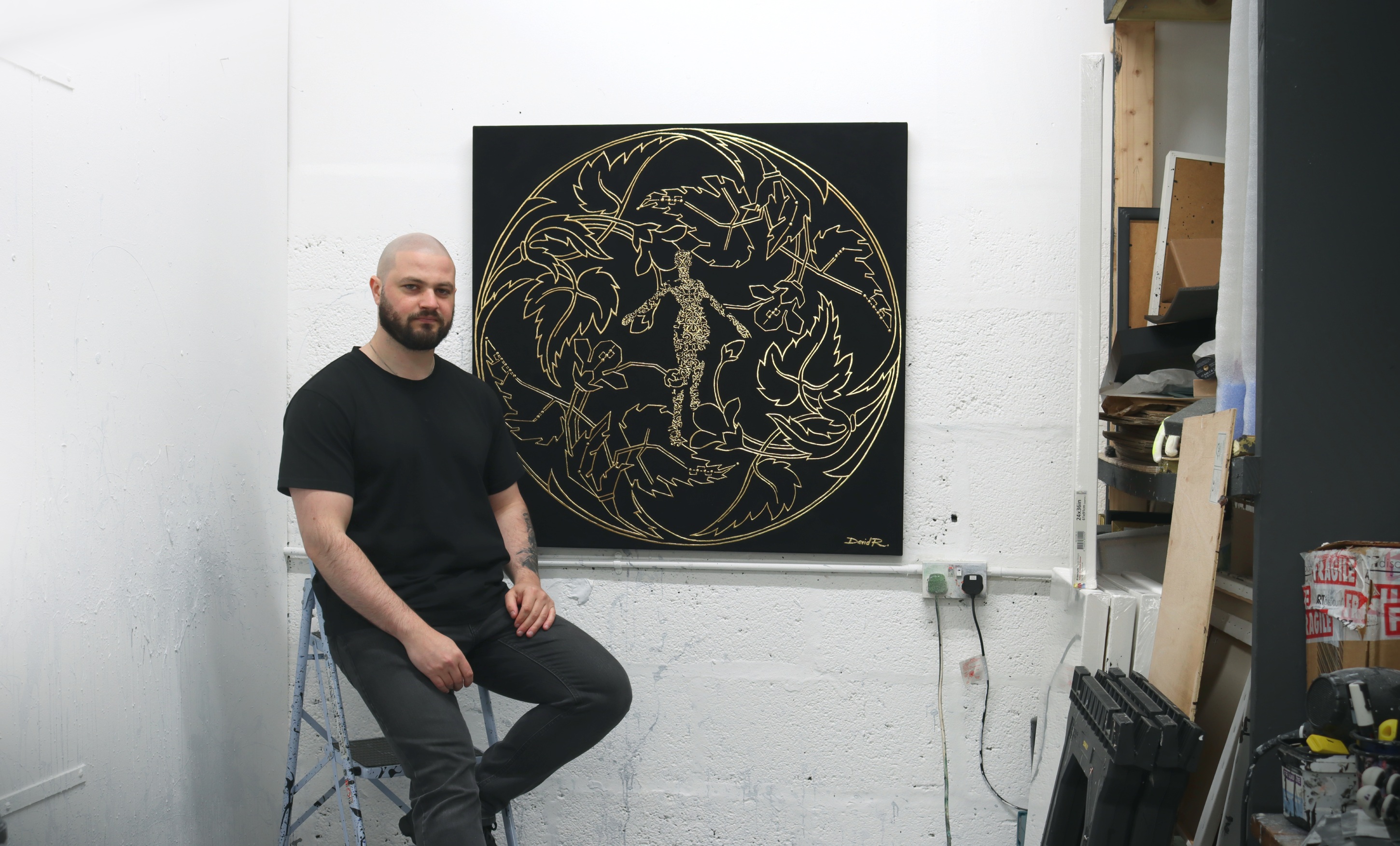
In David Roman’s practice, value is not built around spectacle or viral attention. His work uses ancient materials, gold leaf and processes connected to sacred objects to explore contemporary questions of human value, technological replacement, and humanity’s place within a wider cosmology. The value sits in the artist's unique perspective and visual language that addresses important cultural concerns.
Explore more contemporary art
From smaller format pieces to large-scale paintings, the artwork in the collection is made to reflect the contemporary times. Each piece is signed, documented, and available for collectors in UK and world-wide.

Discover your art buying archetype
Take a 3 minute quiz and find out what kind of art collector you are.