Contemporary Art Insight
Why is contemporary art so expensive?
Contemporary art seems expensive because the public usually sees the top of the market first.
Auction headlines focus on blue-chip artists, major galleries, celebrity collectors and record-breaking sales. Jeff Koons’s Rabbit, Beeple’s Everydays: The First 5000 Days, Maurizio Cattelan’s Comedian and Jean-Michel Basquiat’s Untitled all became part of public conversation because their prices were almost impossible to ignore.
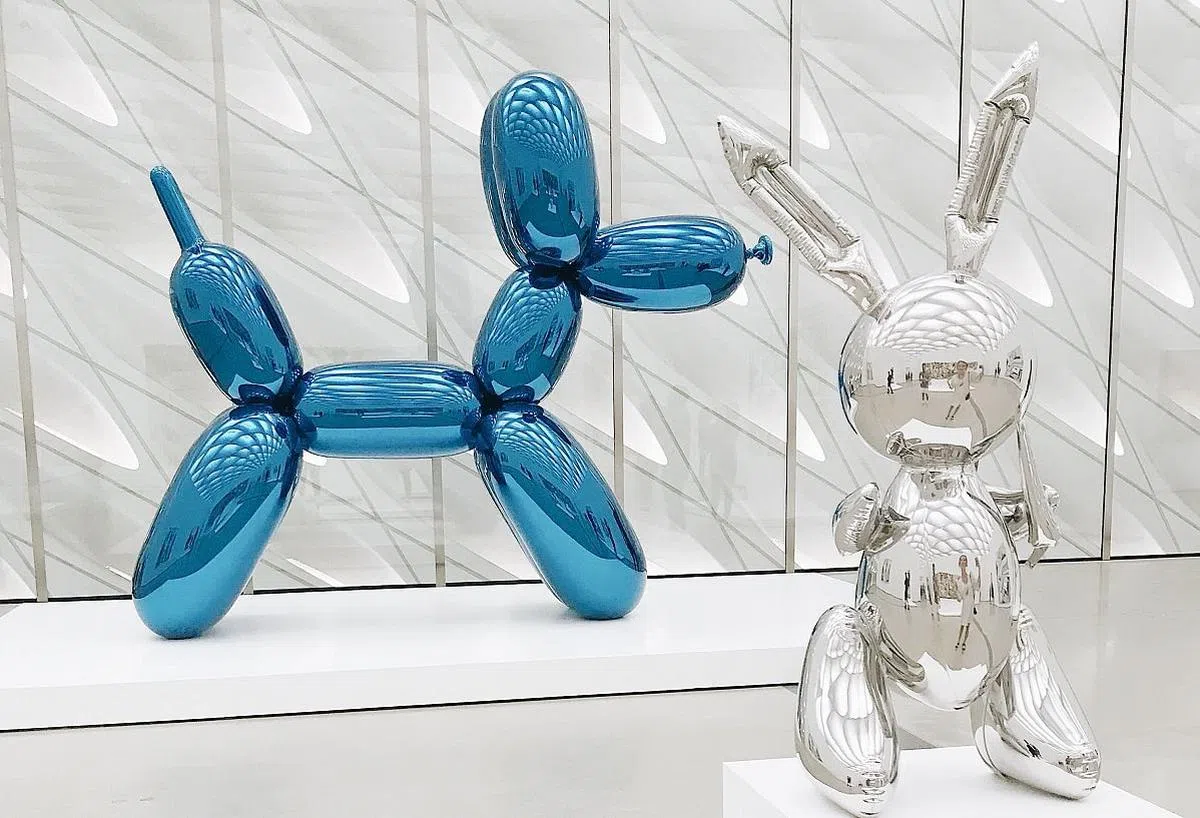
But that is not the whole contemporary art market. It's just the most visible layer.
The levels of the contemporary art market
Contemporary art exists at several levels:
- international auction houses
- major galleries
- established commercial galleries
- regional spaces
- artist-led projects
- independent studios
- open online marketplaces
- curated online marketplaces
A multi-million-dollar auction result is not a fair representation of contemporary art.
How contemporary art is priced
The price of contemporary art is influenced by the artist’s reputation, exhibition history, collector demand, rarity, museum acquisitions, gallery representation and the importance of the work within the artist’s wider practice.
It also reflects cultural relevance. Contemporary artists are processing the world being lived now. Their work gives form to current questions around identity, technology, human value, social change or the pressures of modern life.
That makes the work different from purely decorative art. A landscape, floral painting or attractive abstract piece might be well made, but contemporary art enters a wider cultural conversation. It contributes to the Zeitgeist of an era.
Cost vs meaning
This does not mean every expensive artwork is important. Price and meaning are not the same thing.
A strong price should be supported by a strong practice: coherent development, clear ideas, serious materials, documentation and a body of work that is dedicated to exploring a core theme.
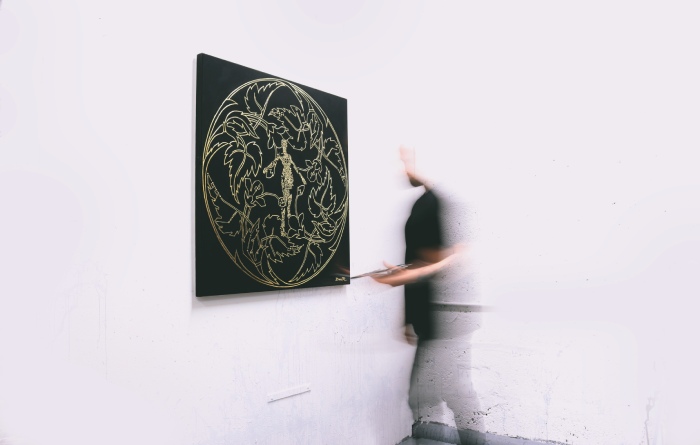
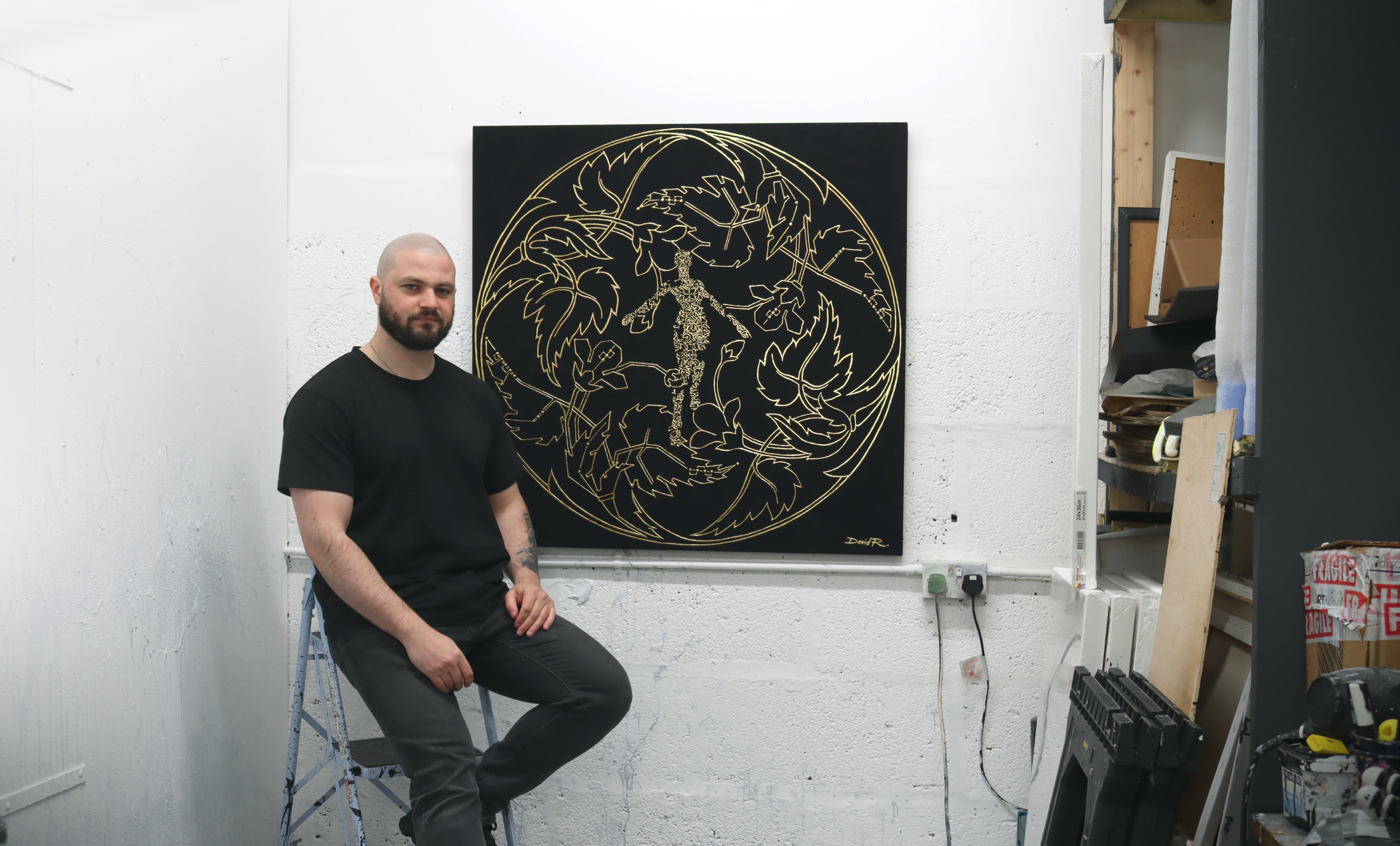
In David Roman’s practice, value is tied to time, material and meaning. His work uses genuine gold leaf over about 20 layers of traditional gesso, which take almost two weeks to apply, and draws on myth and symbolism to explore inner transformation. The work is available directly from the studio, giving collectors direct access to British contemporary art.
Explore more contemporary art
From smaller format pieces to large-scale paintings, the artwork in the collection is made to reflect the contemporary times. Each piece is signed, documented, and available for collectors in UK and world-wide.

Discover your art buying archetype
Take a 3 minute quiz and find out what kind of art collector you are.