Understand art prices: Why original artwork costs what it does
The price of an original artwork reflects much more than the materials used to create it. It includes the artist's time, experience, years of skill development, creative process, and the rarity of owning a one-of-a-kind piece.
Understanding what goes into the cost of original art can help you make more informed decisions as a collector and appreciate the value behind the work you bring into your life. This guide explains the key factors that influence art pricing and how artists arrive at the prices they set.

Five things that explain art prices

1. What a work is made of
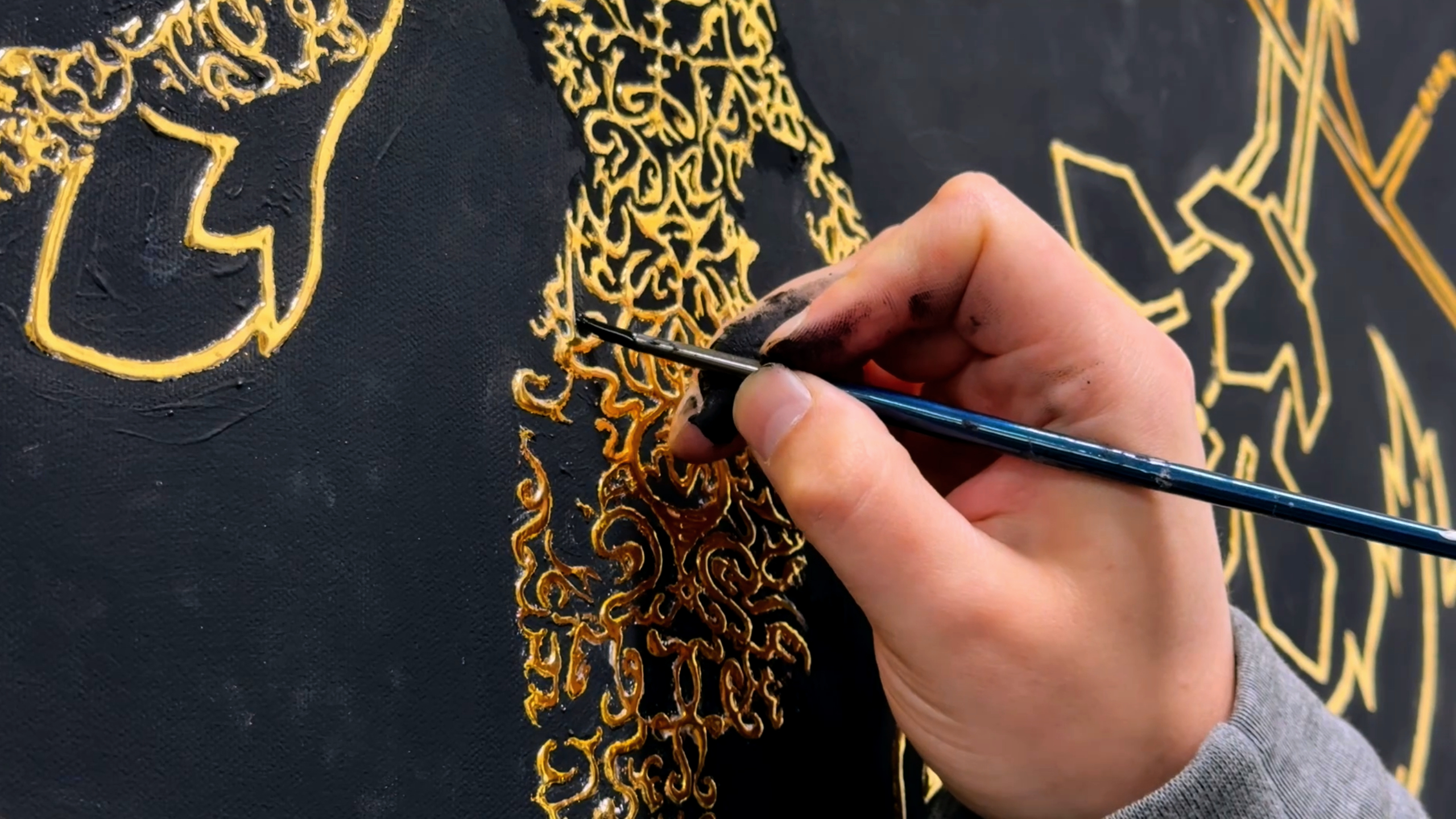
Various medium and processes come with different material costs. A charcoal drawing on paper has a different creation cost than 24ct gold leaf water gilded on on hand-prepared gesso on a wood panel. That's one variable that influences price.
2. Time invested
An artists exchanges a chunk of their life (weeks or months) to create something that only they can create. Over the course of their life, they only have time for a limited amount of works. How long a piece takes to create (or how long the artist has spent developing thier process) influences the price of the art.
3. Demand for the art
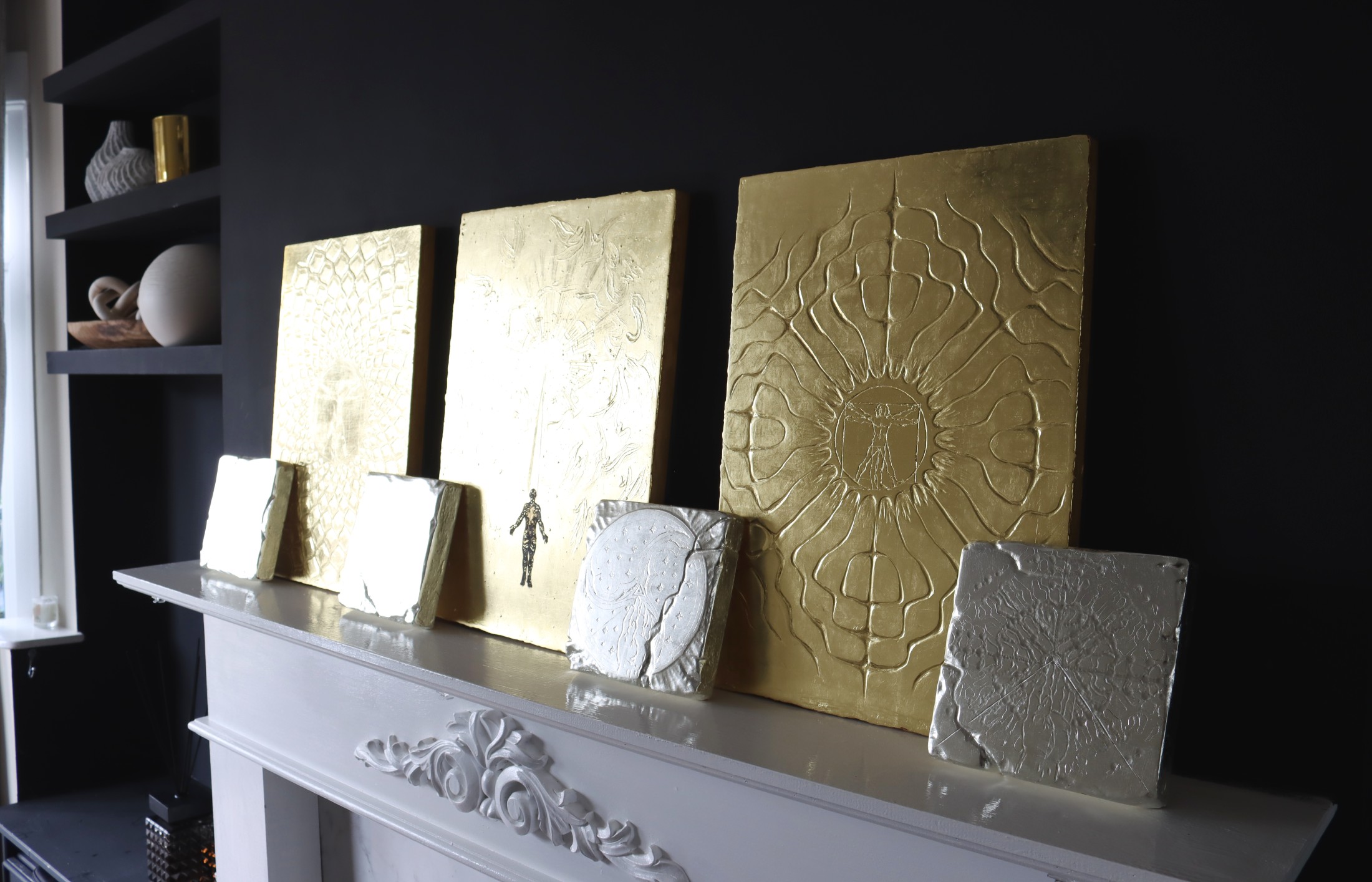
Artists raise prices as their practices develop because the work becomes scarcer and the market catches up with it. Buying before that happens is where the most exciting acquisitions tend to be made.

4. Gallery commission
Buying directly from an independent studio means what you pay is just for the work itself. Gallery or marketplace commission (typically 40% to 50%) is not in the figure. That extra layer can mean paying double the price.

5. Scarcity of available originals
Originals can only be owned by one person (or institution) at a time. As a practice moves forward, the work from any given period becomes harder to acquire, as most collectors buy to keep the art for a lifetime, not to resell.
What actually goes into the price of an original work
The price of an original artwork is influenced by far more than the materials used to make it. While canvas, paint, framing, and studio equipment all contribute to the cost, they are only a part of the story. Every piece also represents years of practice, experimentation, education, and the development of a unique artistic voice. What you see on the wall is often the result of many thousands of hours spent refining a craft.
Each original work also carries the time invested in its creation. This includes research, sketching, composition, painting, problem-solving, and finishing. Beyond the artwork itself, artists spend significant time maintaining a studio, documenting their work, managing exhibitions, communicating with collectors, and building a sustainable creative practice. These unseen hours are part of what makes an original piece possible.
The value of an original artwork is also tied to its rarity. Unlike a mass-produced product, there is only one original. It exists as a direct expression of a particular moment in an artist's life and cannot be exactly replicated. For many collectors, they are not simply purchasing an object, but becoming a custodian of a unique work that reflects the artist's vision, skill, and creative journey.

"An original work carries the time and attention of the artist who made it. Both of those are our most valuable resources.
In this fast-moving world, choosing to live with something crafted slowly, with care... that is an act of resistance."
Common mistakes related to original art pricing
01
"It's just paint and canvas"
Many people assume the price of an artwork is based mainly on the cost of materials. In reality, materials are only a small part of the equation. Most of the value comes from the artist's skill, experience, creative vision, and the time invested in creating the work.
02
Assuming the hours alone determine the price
While time is an important factor, artworks are not priced like hourly services. Two artists could spend the same number of hours on a painting and produce works with very different values. Pricing also reflects the artist's body of work, demand, reputation, and the uniqueness of the piece.
03
Thinking a print and an original should cost the same
An original artwork is a one-of-a-kind object created directly by the artist. A print can be reproduced multiple times. Collectors are often paying not only for the image itself, but for the rarity, authenticity, and unique presence of the original work.
Questions about art prices
Not always. Price and value are related, but they are not the same thing. A work is most valuable when it resonates deeply with the collector, regardless of price. Higher prices often reflect greater demand, rarity, or career development, but personal connection remains essential.
Most professional artists use a combination of practical costs, time invested, market positioning, experience, and consistency across their body of work. Pricing is usually designed to create a sustainable practice while remaining fair to collectors.
Look beyond the price tag. Consider the quality of the work, the artist's vision, their consistency, the story behind the piece, and how strongly it speaks to you. The best art purchases are often both emotional and thoughtful decisions.
Artwork prices are influenced by factors such as size, complexity, materials, time invested, the artist's career stage, demand, exhibition history, and the uniqueness of the piece. Together, these elements help determine a fair and sustainable price.
Original art is priced according to much more than materials. The cost reflects the artist's experience, creative development, studio practice, time, and the rarity of owning a one-of-a-kind work. An original painting represents years of learning and a unique perspective that cannot be mass-produced.
Explore more original art
From smaller format pieces to large-scale paintings, the artwork in the collection is made to reflect the contemporary times. Each piece is signed, documented, and available for collectors world-wide.

