Contemporary Art Insight
When did contemporary art start?
Contemporary art is generally understood to have begun after the Second World War, especially from the late 1940s onwards. This period marks a major shift in how artists responded to the world around them.
The second world war changed the cultural landscape. Artists were no longer bound to long-help beliefs about beauty, religion, national identity or artistic tradition. The second half of the twentieth century brought mass media, consumer culture, political unrest, migration, civil rights movements, feminism, globalisation and new technologies.
Art began responding to a world that felt faster, more unstable and more connected.
This is why contemporary art is not defined only by a date. A painting made recently is not automatically contemporary in a meaningful sense. The work also needs a relationship to the time in which it is made. It has to carry some awareness of present conditions, whether through subject matter, material, process, identity, social commentary or the questions behind the artist’s practice.
The exact start date changes depending on the institution or historian. Some place contemporary art after 1945. Others begin it in the 1960s or 1970s, when conceptual art, performance, installation, video and socially engaged practices became more visible.
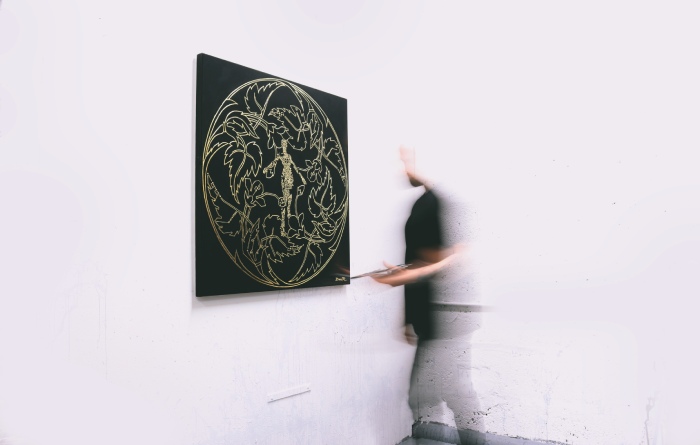
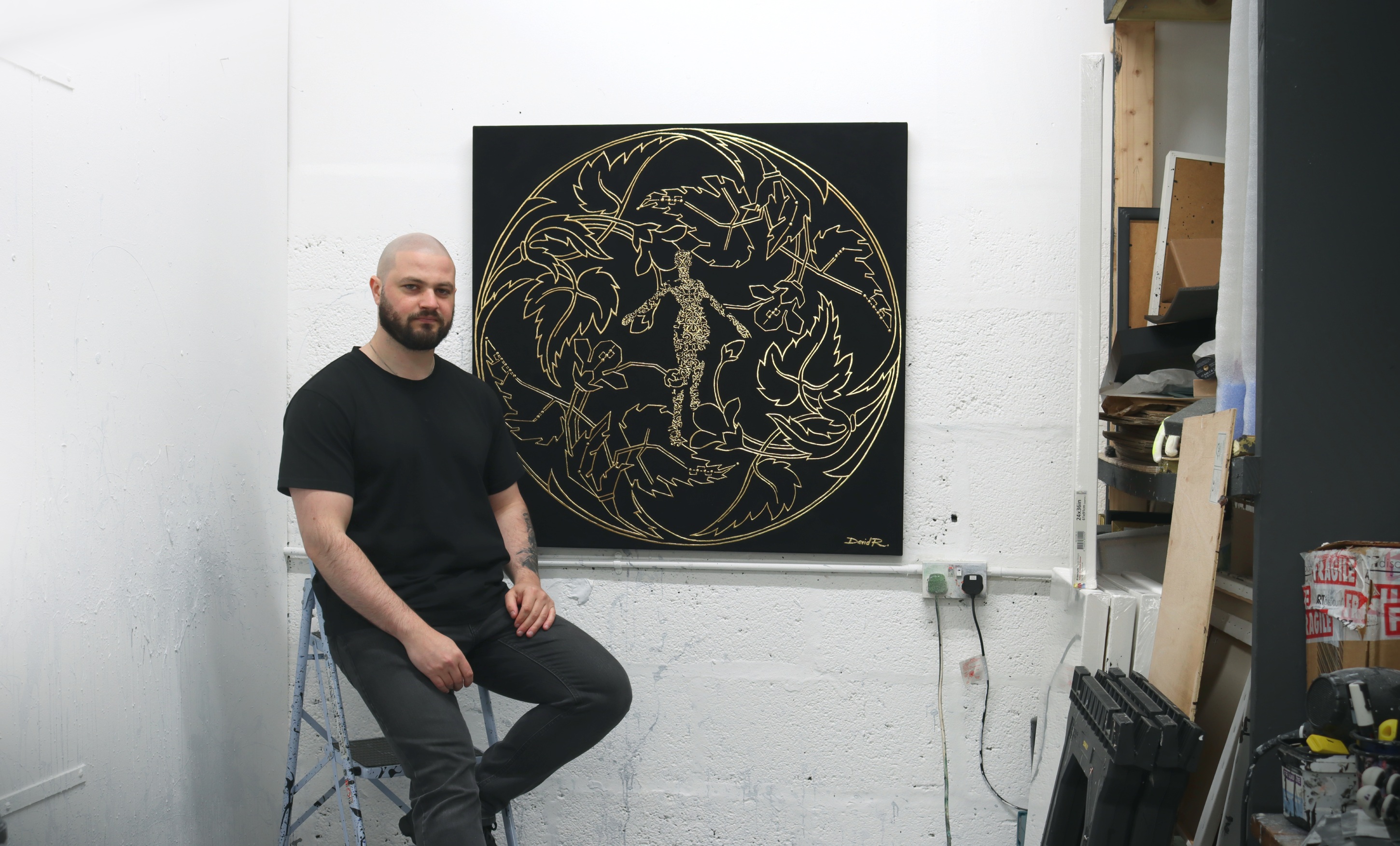
In David Roman’s practice, the contemporary aspect comes from his exploration of how human value is measured in a culture shaped by productivity, data and optimisation. The use of symbolic figures, crafted surfaces and gold leaf connects contemporary concerns with older traditions of meaning, ritual and human significance.
Explore more contemporary art
From smaller format pieces to large-scale paintings, the artwork in the collection is made to reflect the contemporary times. Each piece is signed, documented, and available for collectors in UK and world-wide.

Discover your art buying archetype
Take a 3 minute quiz and find out what kind of art collector you are.