Assessing the value of an artwork involves more than comparing prices. The most important question is often whether the work continues to resonate beyond your first impression.
The quality of the artwork
Start by looking closely at the work itself. Consider the quality of execution, the originality of the idea, and the consistency of the artist's broader body of work. Strong artists tend to develop recognisable themes, questions, or perspectives that connect their work over time.
The context of the artwork
It is also worth understanding the story behind the piece. What is the artist exploring? What motivates their practice? What conversations is the work participating in?
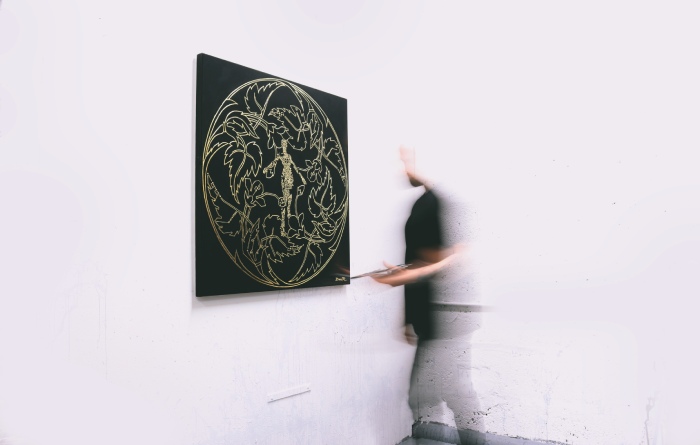
in David Roman's practice, the paintings emerge from an ongoing investigation into human identity at a time when human value is often measured through extraction of productivity, data, and attention.
For some collectors, this context becomes an important part of the artwork's value. They are not only responding to the image itself but also to the ideas it represents.
The artwork's history
You should also consider practical factors such as originality, condition, provenance, and whether the work fits within your collection goals. However, these considerations should not completely overshadow your personal response.
The strongest collections are rarely built through speculation alone. They are built through conviction.
If a work continues to capture your attention, provokes thought, and feels relevant to questions you care about, it may hold lasting value regardless of short-term market trends.
Ultimately, assessing value is both an intellectual and emotional process. The best acquisitions tend to satisfy both.